Locked In by Ice: Gritting, Grit Bins and the Winter Money You’re Owed
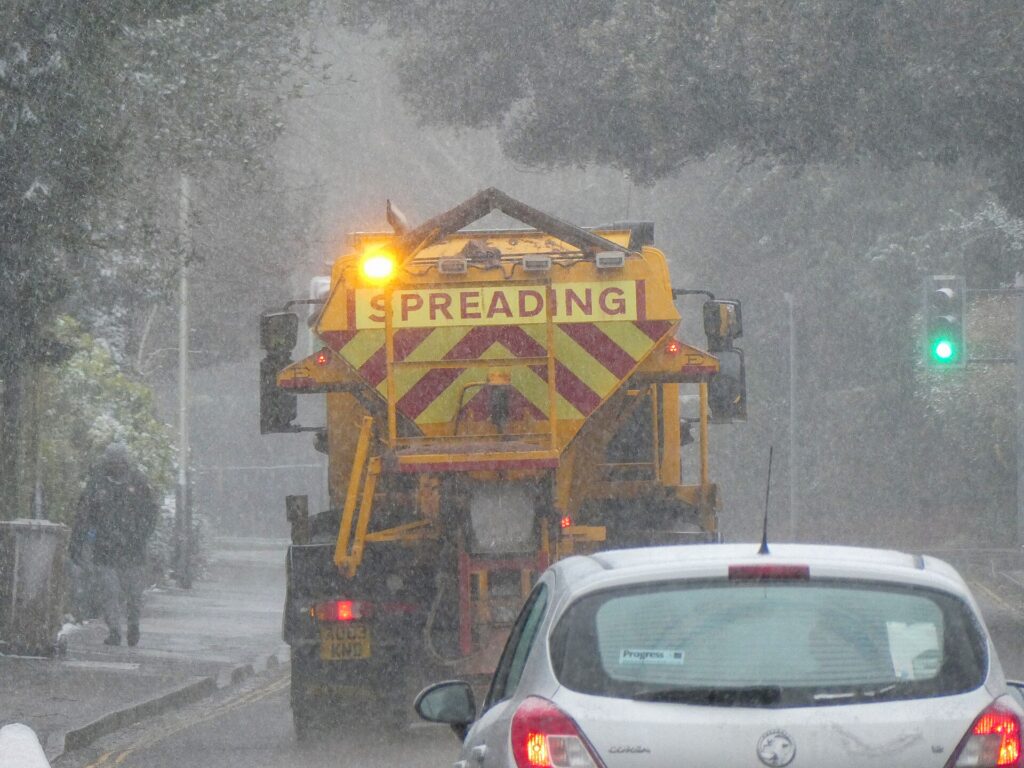
A thin layer of ice can turn a dropped kerb into a wall and a trip to the pharmacy into house arrest. Councils have a legal duty to keep highways safe from snow and ice. Here’s how to hold them to it, and claim the winter payments you’re owed.
North York Moors and its steam railway: an honest access guide

Steam trains, heather moorland and medieval abbeys don’t sound step-free. More of the North York Moors is within reach than you’d think, if you know which stations have steps, which trains need ten days’ notice, and where the Changing Places toilets are.
Watch Your Train Coming: Why a Live Rail Map Is an Access Tool
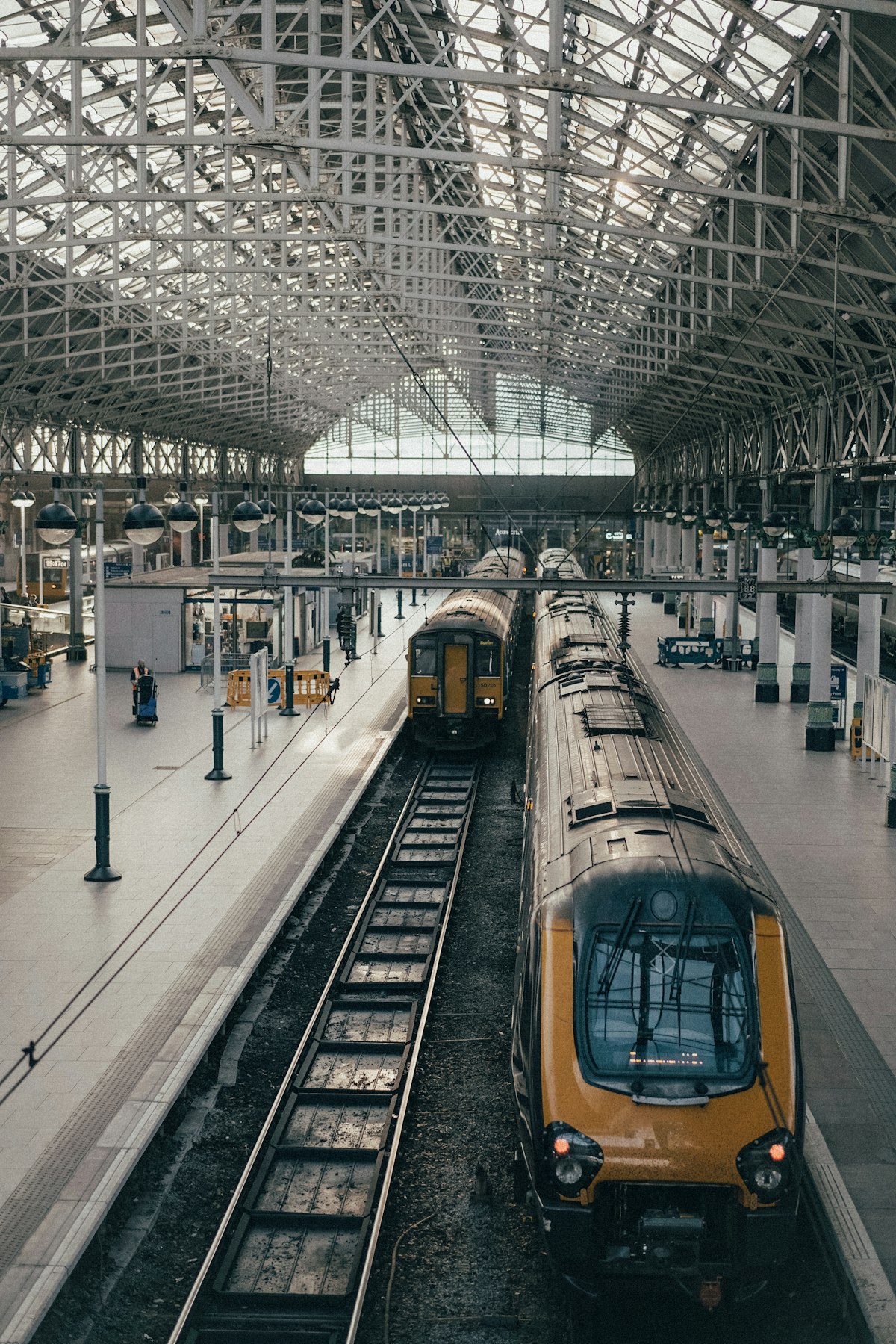
A departure board tells you a time. A live map tells you the truth: where your train actually is, right now, and which platform it is heading for. For disabled passengers, that difference is not a gadget — it is the number of minutes you spend standing on a cold platform.
The Sunflower Lanyard: What It Is, What It Isn’t, and Where to Get One Free

A green lanyard covered in sunflowers is now recognised across airports, railways and supermarkets as a discreet signal that someone has a non-visible disability. Here is how it works, what it does not do, and where to get one without paying.
Turn Up and Go: You Do Not Have to Book Assistance Days in Advance

Rail staff still tell disabled passengers they should have booked. They are wrong. Turn Up and Go is official industry policy at every station in Britain — here is how it works and what to say when it is refused.
Rail Replacement Buses: The Accessibility Black Hole
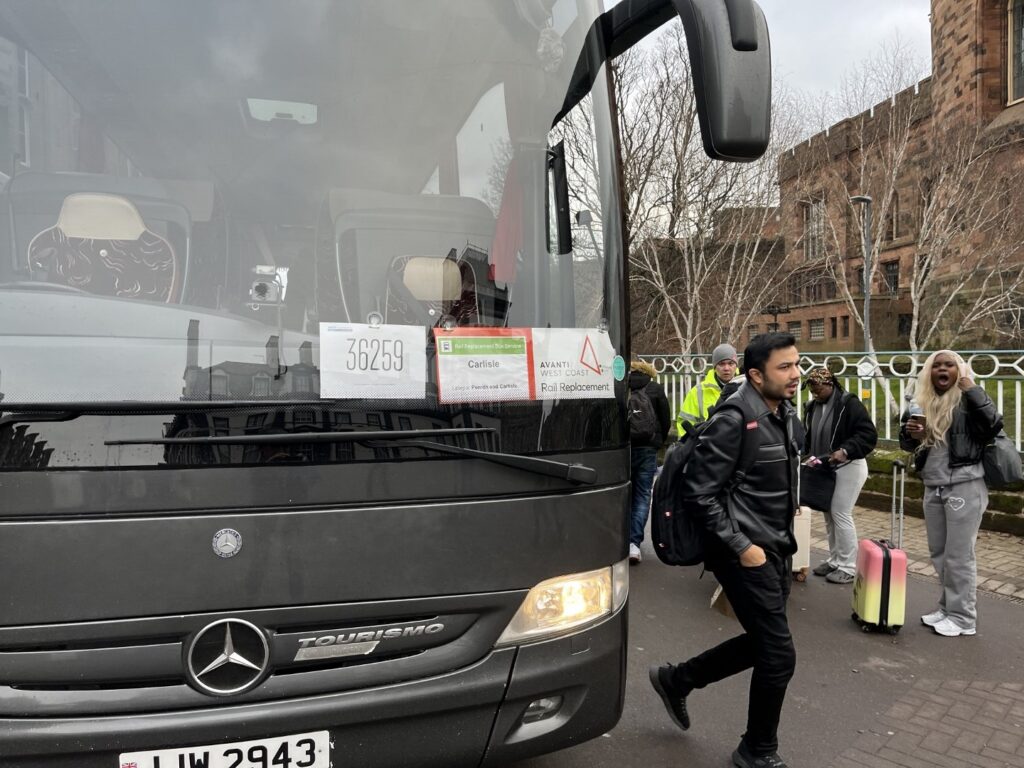
Engineering works turn an accessible railway into a fleet of coaches with four steps at the door. Here is what operators must provide instead, and how to make sure you get it.
Next Stop, Unannounced: Audio and Visual Information on Buses
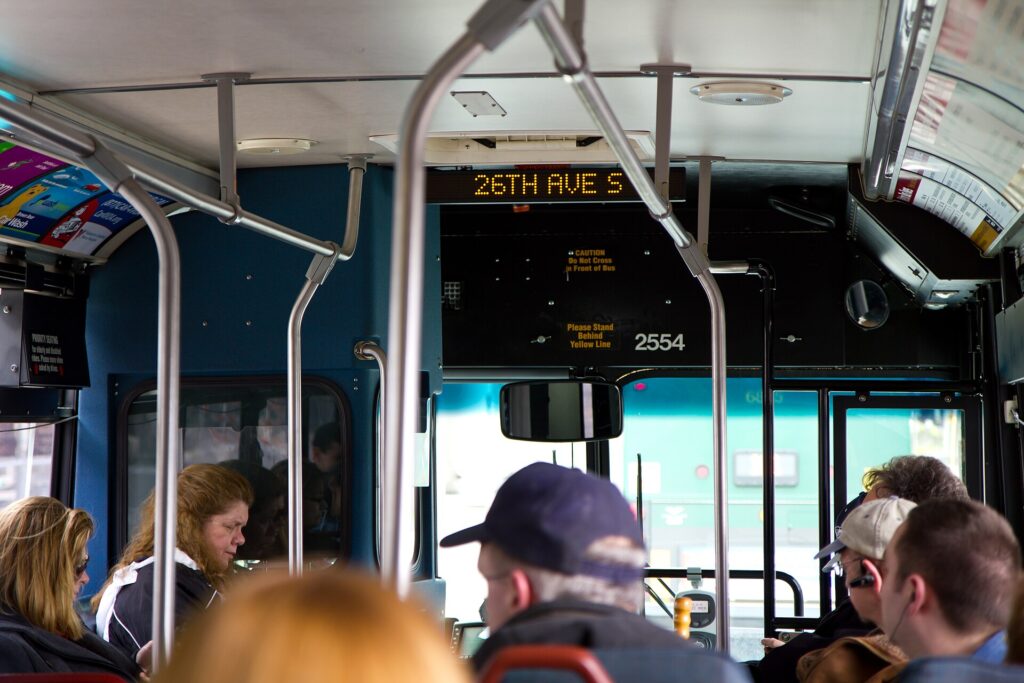
If you cannot see the street or hear the driver, how do you know when to get off? New regulations are finally rolling audio-visual announcements out across Britain’s buses. Here is what is required and by when.
“You Don’t Look Disabled”: Priority Seating and Invisible Conditions

Priority seats are the one accessibility feature that depends entirely on strangers behaving well. For people whose disability is not visible, that makes them a daily negotiation — and sometimes a confrontation.
Coaches and Ferries: Long-Distance Travel When the Train Won’t Do
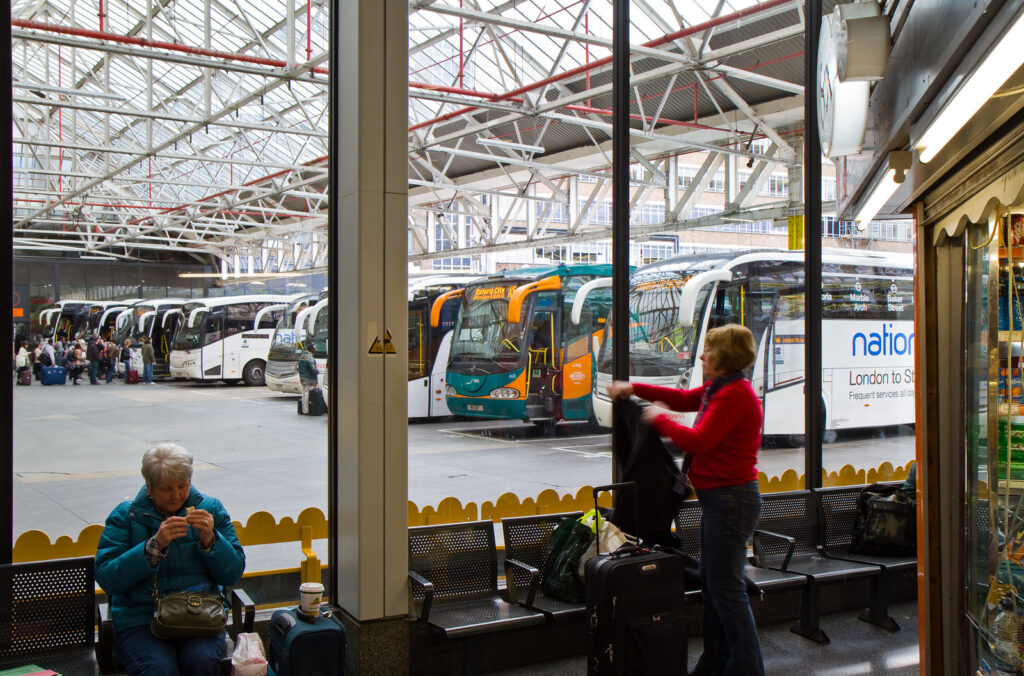
Coach travel is the cheapest way to cross the country and the least accessible. Ferries are better than most people expect. Here are the rules for both, and how much notice you actually need to give.
What TfL’s Own Data Says About Step-Free London
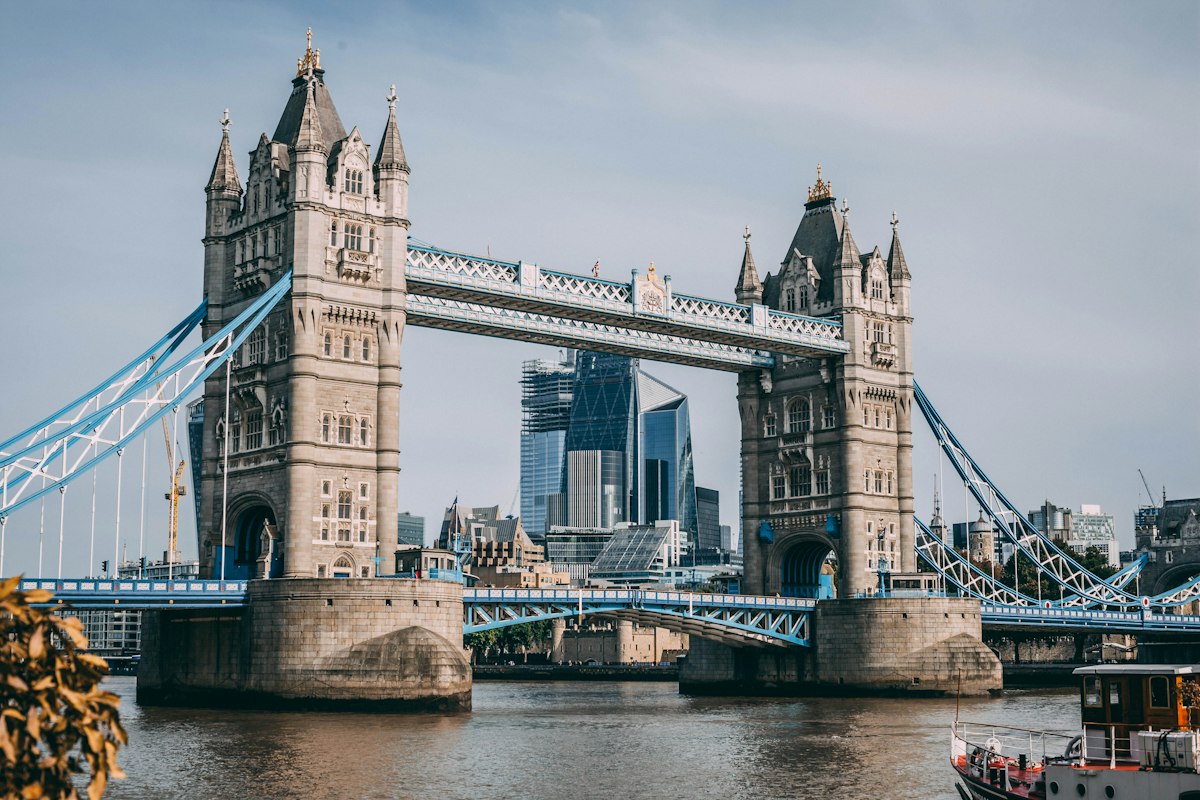
We took Transport for London’s published station data and asked two questions of every station: can you reach the platform, and can you get on the train? Here’s what 509 stations look like when you separate them.