The short version
Engineering works turn an accessible railway into a fleet of coaches with four steps at the door. Here is what operators must provide instead, and how to make sure you get it.
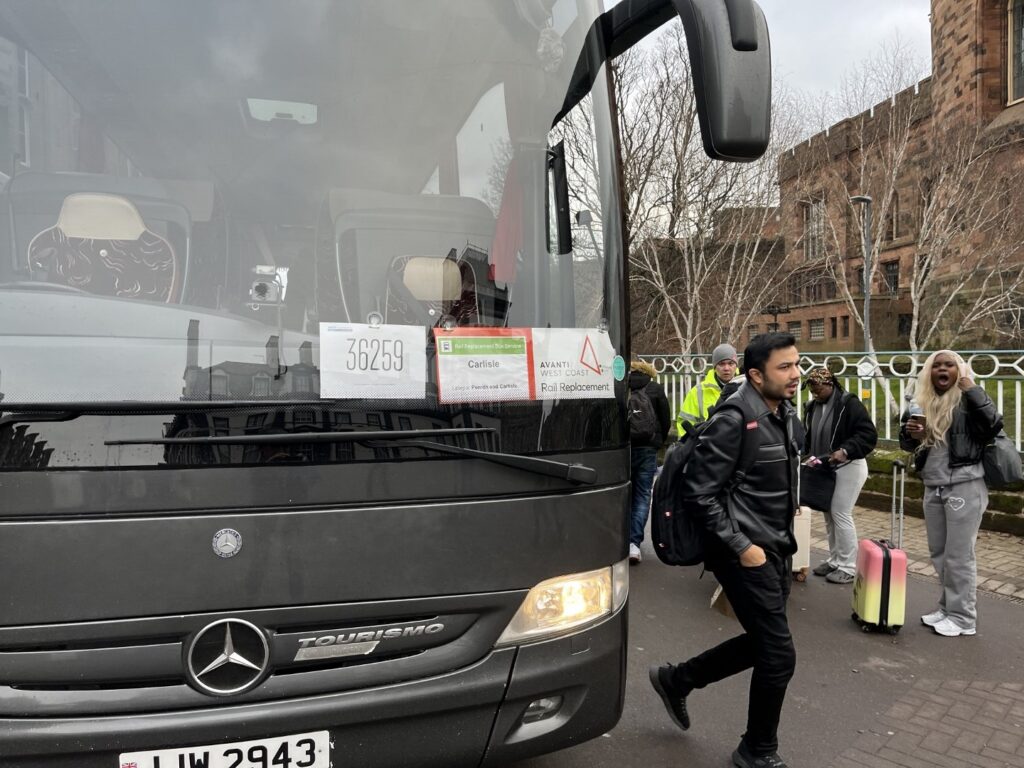
You booked a step-free journey. You checked the stations. Then, a fortnight before you travel, the line closes for engineering work and your accessible train becomes a coach with four steep steps and a luggage locker where the wheelchair space should be.
Rail replacement is where rail accessibility most reliably falls apart, and it happens most weekends somewhere in the country.
Why the coaches are so often unusable
Coaches are covered by the Public Service Vehicles Accessibility Regulations, which require accessible features on coaches used for scheduled services. In principle that should mean a lift or ramp and a wheelchair space.
In practice, the industry has leaned heavily on exemptions. Successive governments granted repeated exemptions covering rail replacement and home-to-school transport, on the argument that there were not enough compliant vehicles to go round. The effect is a large fleet of coaches lawfully in service that a wheelchair user cannot board.
So the accessible railway becomes inaccessible on a Sunday, and the fix is bolted on afterwards.
What the operator must provide instead
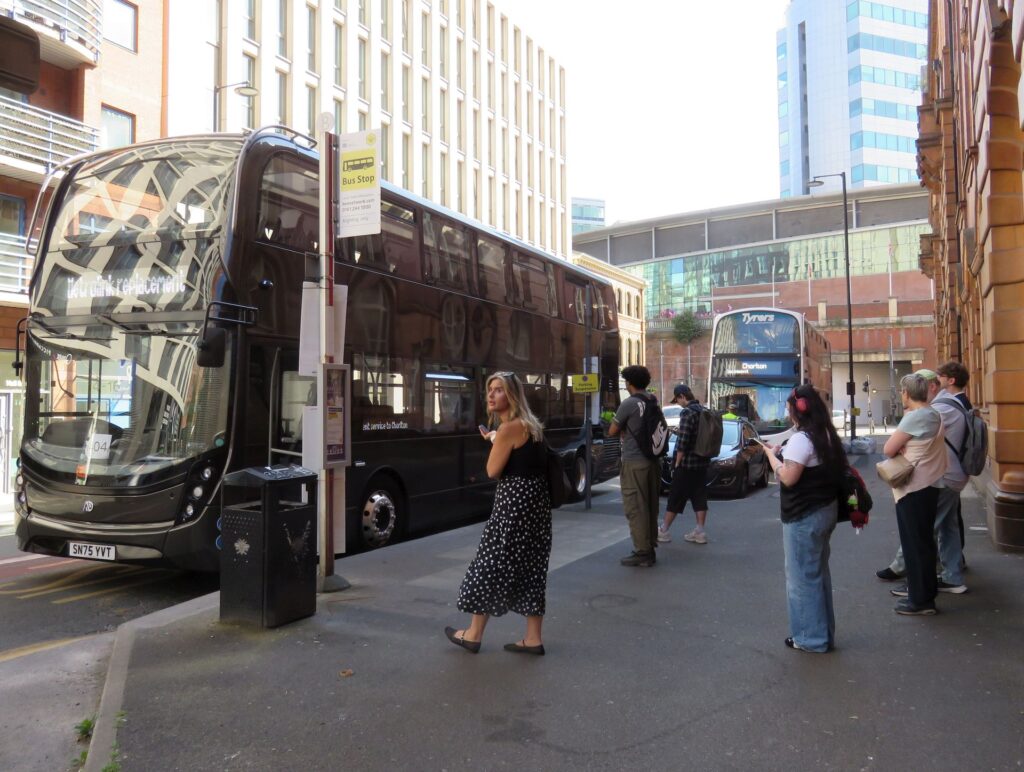
This is the important bit, and it is more generous than most passengers realise. If the replacement service is not accessible to you, the operator must provide alternative accessible transport at no extra cost to you. In practice that usually means an accessible taxi, and it should take you:
- to your destination station, or
- to the nearest station where you can rejoin an accessible service, or
- to your final destination if that is the sensible option.
It should not cost you a penny more than your ticket, you should not be asked to pay and claim back (though if you are, keep every receipt), and it should not add hours to your journey as a matter of course.
A replacement service that some passengers cannot board is not a replacement service. It is a service with a group of people removed from it.
Planning around it
- Check for engineering work early. National Rail Enquiries publishes planned works well ahead. Check when you book, and again a few days before.
- Book assistance and say explicitly that you cannot use a coach. “I am a wheelchair user and cannot board a step-entrance coach — please confirm what accessible transport will be provided.” Get it in writing.
- Get the arrangement confirmed with a reference number, and take a screenshot. Staff on the day may know nothing about it.
- Ask who is paying and how. Confirm the taxi is booked and billed by the operator, not by you.
- Build in far more time than usual. Taxi arrangements on a rail replacement weekend are frequently slow.
- Take the assistance helpline number with you — the one for the operator running the replacement, not just your ticket seller.
On the day, when it goes wrong
The classic failure is arriving to find nobody has arranged anything, and a member of staff who suggests you wait for “the next one” — which is the same coach again.
- Ask for the duty manager, not the person with the clipboard at the coach door.
- State the duty plainly: “The replacement service is not accessible to me. You must provide accessible transport at no extra cost.”
- If they refuse or stall, say you will take a taxi and claim the fare back, then keep the receipt. Note the name of whoever refused.
- Record the time, station, staff names and what was said. A short voice memo to yourself on the platform is easier than notes and just as good.
Claiming afterwards
You may be entitled to more than one thing at once:
- Reimbursement of any taxi fare you had to pay because the replacement was inaccessible.
- Delay Repay if the journey ran late — thresholds vary by operator, typically starting at 15 or 30 minutes.
- A discrimination complaint if you were left without a usable service at all. That is separate from a refund and worth pursuing on its own.
Send it in writing, with the ticket reference, the date, the stations and what happened. Escalate to the Rail Ombudsman if the reply is unsatisfactory. Our complaints guide covers the escalation ladder.
The campaign point
Every exemption granted for inaccessible coaches is a decision that disabled passengers can be dealt with separately, later, by taxi. It is the clearest example in transport of access being treated as an afterthought rather than a design requirement.
When you complain, say that. And if a weekend closure leaves you stranded, tell us where and when — a pattern of failures at one station is far harder to dismiss than a single bad Sunday.




.jpg)