The short version
Coach travel is the cheapest way to cross the country and the least accessible. Ferries are better than most people expect. Here are the rules for both, and how much notice you actually need to give.
The train is expensive and the plane is a fight over your wheelchair. That leaves the coach and, if there is water in the way, the ferry — two modes that get almost no attention in accessibility conversations and which a great many people rely on.
Coaches: the rules
Scheduled coach services in the UK are covered by retained passenger rights rules derived from EU Regulation 181/2011, plus the Public Service Vehicles Accessibility Regulations and, always, the Equality Act 2010.
In practice this gives you:
- A right not to be refused a booking because of disability, except on genuine safety grounds or where the vehicle’s design makes carriage physically impossible.
- Assistance at designated terminals and on board, on longer scheduled journeys.
- Free carriage of mobility equipment, and compensation if it is lost or damaged.
- The right to be accompanied free of charge where an operator refuses to carry you alone on safety grounds — if they will not take you without a companion, they should not charge for that companion.
That last point is worth remembering, because it is often the pivot in a dispute.
The practical reality
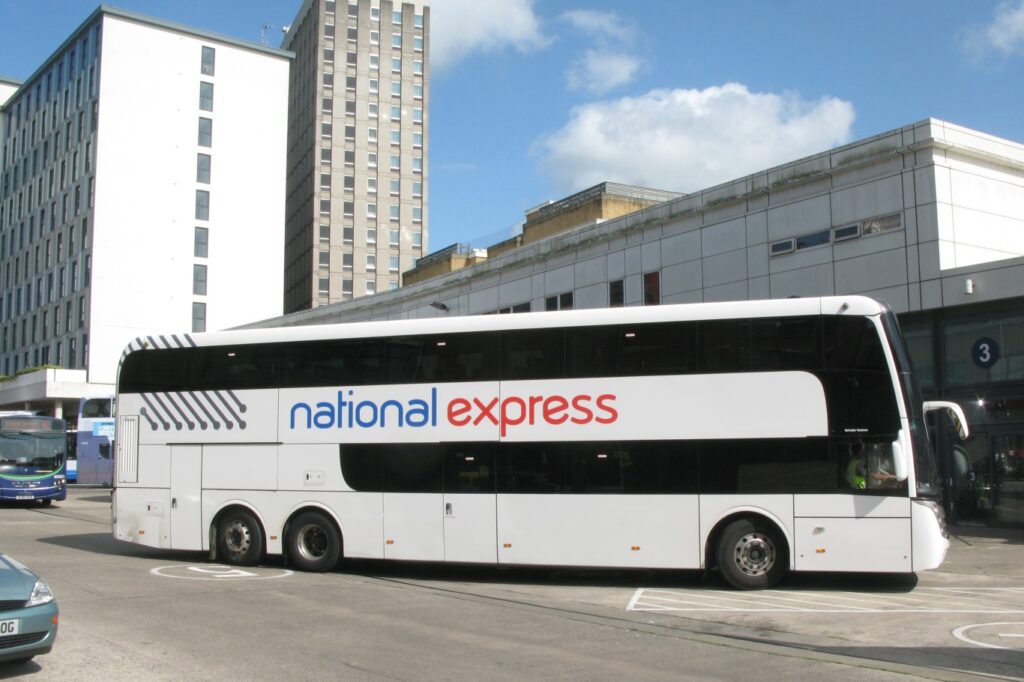
Coach accessibility varies enormously. Some vehicles have a lift and a proper wheelchair position; many have four steep steps and nothing else. National operators run accessible vehicles on many routes but not all, and services operated by subcontractors may differ from the brand you booked with.
- Book by phone with the accessibility team, not through the app. Say exactly what you need: lift or ramp, wheelchair position, whether you can transfer to a seat, the dimensions and weight of your chair.
- Give as much notice as you can. Operators typically ask for 24 to 48 hours for assistance; the earlier you ask, the more likely the right vehicle is allocated.
- Get written confirmation that an accessible vehicle is allocated to your specific service, and take it with you.
- Check the terminal too, not just the coach. Some coach stations have poor access, no accessible toilet, and no staff at the times you are travelling.
- Reconfirm 24 hours before. Vehicle swaps are common and are the usual cause of a nasty surprise at the stand.
The cheapest way to travel the length of the country is also the one most likely to have four steps at the door. That is not a coincidence, it is a choice about who cheap travel is for.
Ferries: better than you might expect
Ferry travel is covered by retained rules derived from EU Regulation 1177/2010 on passenger rights at sea and on inland waterways. Larger ferries are often genuinely well equipped — lifts between decks, accessible cabins and toilets, and crew used to assisting.
- Notify the operator at least 48 hours before departure to guarantee assistance. This is the standard notice period and it is worth meeting it.
- Assistance must be free, from the designated point at the port, through boarding, and on to disembarkation.
- Accessible cabins exist on most overnight routes but are limited in number — book early, and book the cabin at the same time as the crossing.
- Mobility equipment travels free, and there is a right to compensation if it is damaged.
- You cannot be refused because of disability except on genuine safety grounds or where the ship’s design makes it impossible.
The weak points tend to be small vessels, older harbour infrastructure and tidal ramps that are steep at low water. Ask specifically about the boarding arrangements at both ends rather than about “the ship”.
Questions worth asking before you book anything long-distance
- How do I get on and off — lift, ramp, or steps?
- Can I stay in my wheelchair, or must I transfer?
- What are the maximum dimensions and weight you can carry?
- Is there an accessible toilet on board, and does it work on this vehicle or vessel?
- How long is the journey between comfort stops?
- What happens if the accessible vehicle does not turn up — what will you provide instead?
That last question is the one that separates operators who have thought about it from operators who have not. Ask it, and write the answer down.
If it goes wrong
Complain to the operator first, with the booking reference, date, service and what happened. For coaches, escalate to Bus Users UK, which handles coach complaints as well. For ferries, the operator’s designated complaints body and, for a serious failure, the Maritime and Coastguard Agency.
And remember that a refund is only one of the routes available — see getting your money back when access fails.