The short version
Buses have been legally required to be accessible for years — yet wheelchair users still get left at the kerb. Here's what drivers must actually do, what the Paulley ruling means, and how to complain effectively.
On paper, the battle for accessible buses was won years ago. The Public Service Vehicles Accessibility Regulations (PSVAR) mean full-size local buses must have a wheelchair space and a working ramp or lift. In practice, most wheelchair users can tell you about the bus that pulled up, looked at them, and pulled away.
The gap between the law and the kerb is where this article lives.
What the driver is actually required to do
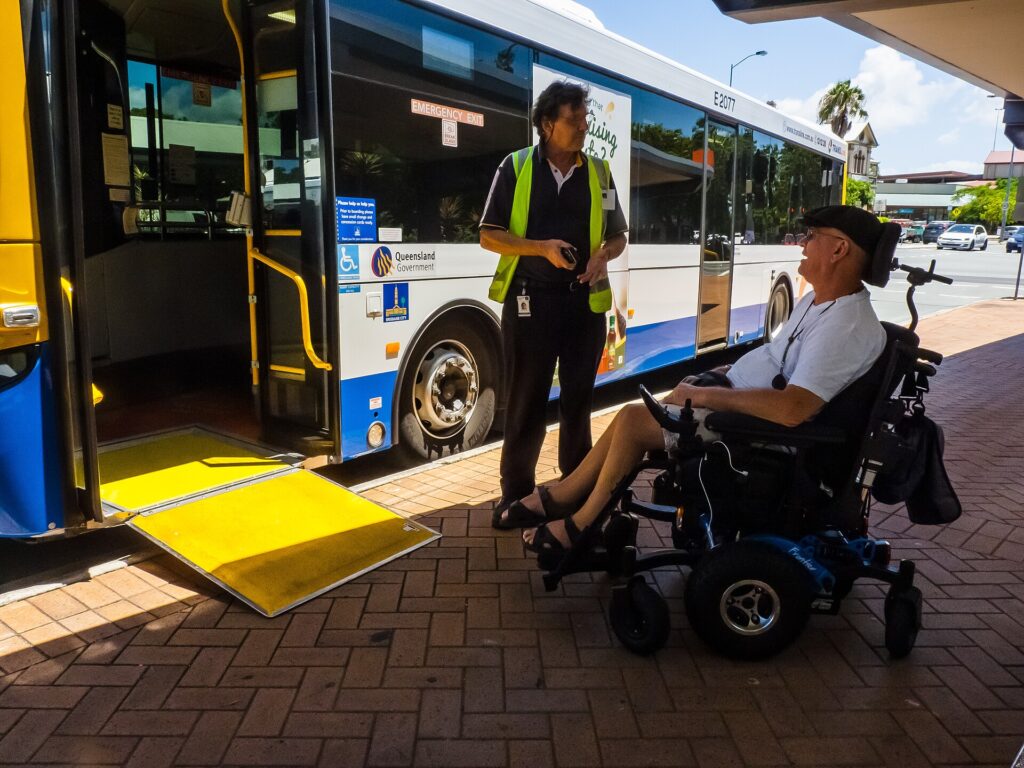
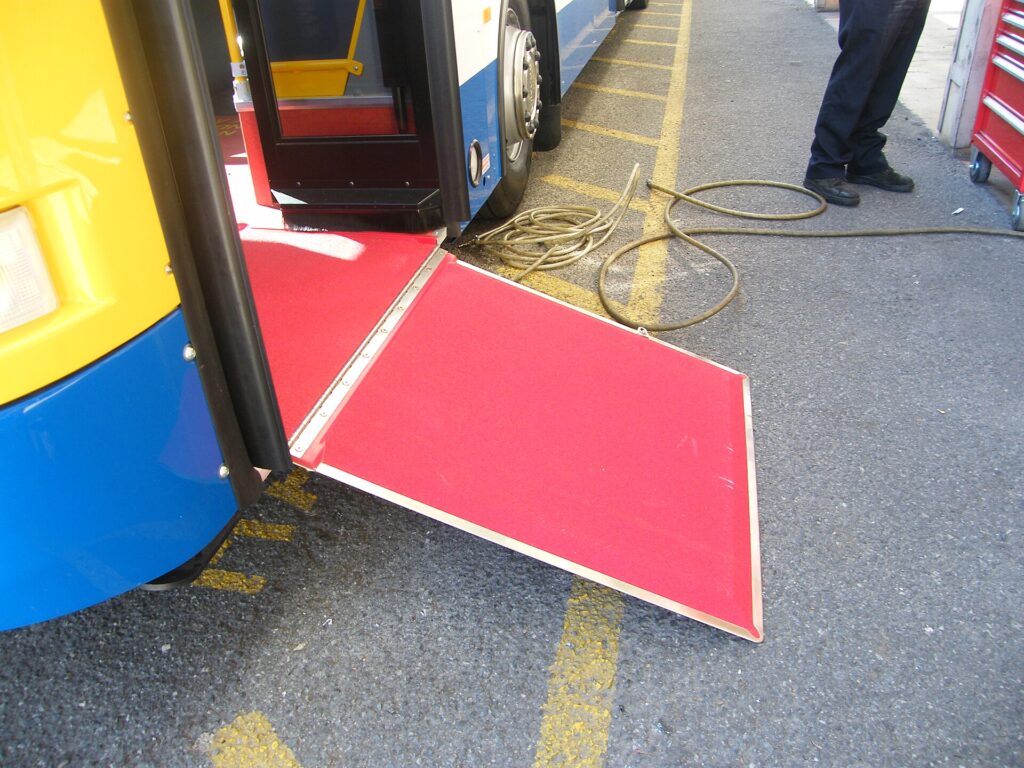
- Deploy the ramp at any stop where it is safe to do so, if a wheelchair user wants to board. “The ramp is broken” should be rare and reportable — operators are expected to maintain them.
- Make the wheelchair space available. Following the Supreme Court’s decision in FirstGroup plc v Paulley (2017), a driver can’t simply ask a passenger to move out of the wheelchair space and shrug if they refuse. If a passenger unreasonably refuses, the driver is expected to apply real pressure — rephrasing the request as a requirement, and even declining to move off for a period — although they cannot physically remove anyone.
- Give reasonable assistance — under the Equality Act 2010, bus operators are service providers and must make reasonable adjustments for disabled passengers.
What the driver is not allowed to do
- Drive past a stop because boarding you would take time. Being slower to board is not a lawful reason to refuse carriage.
- Insist that a folding wheelchair be folded, or refuse a standard reference-size wheelchair that fits the space.
- Charge you or a companion extra for assistance.
If it happens to you
- Note the details immediately — route number, time, direction, stop, and (if visible) the fleet number on the side or rear of the bus. The fleet number identifies the exact vehicle and driver shift; it turns “a bus ignored me” into a case the operator cannot dodge.
- Complain to the operator in writing within a few days, and say the words “disability discrimination” and “Equality Act 2010”. Ask three specific questions: What does your policy require the driver to do? What happened in this case? What will change?
- Escalate if the answer is fluff. Outside London, escalate to Bus Users UK, which handles unresolved bus complaints. In London, escalate to London TravelWatch. You can also complain to your local transport authority, which often funds the route.
- Consider a county court claim. Discrimination claims under the Equality Act go to the county court and must usually be started within six months less one day of the incident. The Equality Advisory & Support Service (EASS) on 0808 800 0082 can talk you through it for free.
Every refusal that goes unreported is recorded by the operator as a day when nothing went wrong.
For the full picture of what the law requires from shops, venues and transport, read our plain-English guide to the Equality Act 2010, and use the template letters on our Help & Support page.