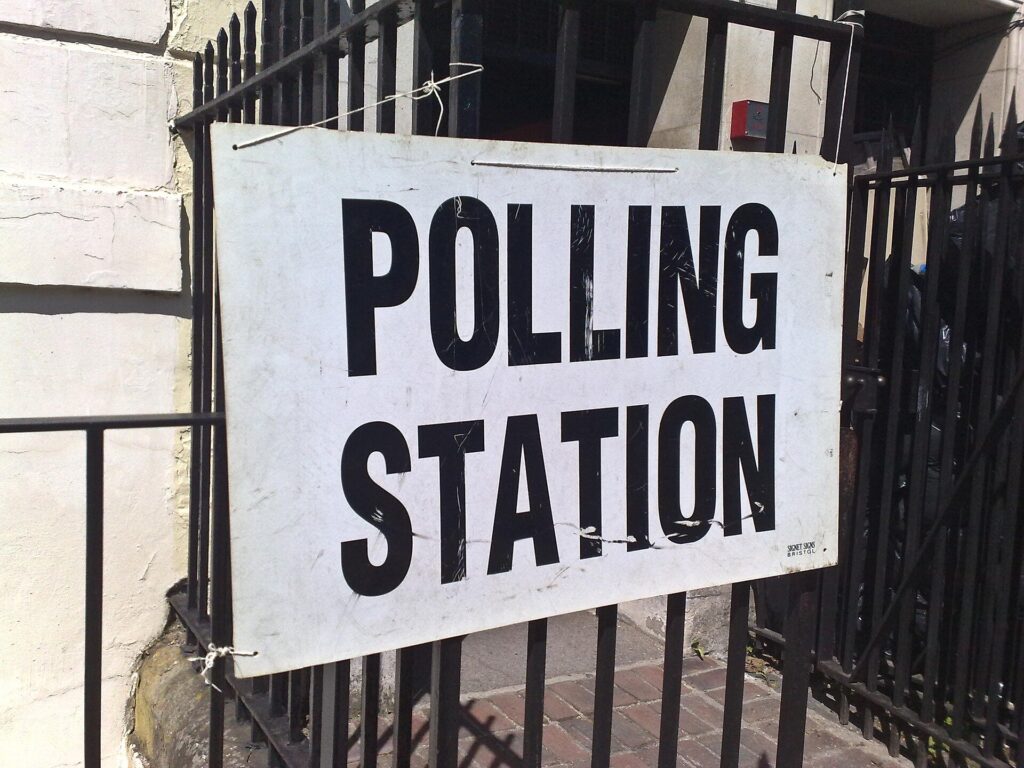
The short version
Polling stations up steps, ballot papers you cannot read, and a long history of disabled people being helped to vote by other people's choices. The rules changed in 2022 — mostly for the better — and here is what you can now insist on.
Voting is the one public act the state cannot outsource, reschedule or apologise its way out of: on the day, you are entitled to cast your own vote, in secret, like everyone else. For disabled voters, each of those words — own, secret, like everyone else — has historically needed a fight.
The law here changed meaningfully with the Elections Act 2022, and mostly in the right direction. Knowing the current rules is the difference between voting independently and being talked through your own ballot in a corridor.
First, the basics that surprise people
- Having a learning disability, dementia or a mental health condition does not disqualify you from voting. There is no capacity test for voting, full stop. Anyone who implies otherwise — including a care home — is wrong.
- Living in a care home or hospital does not affect your right to vote, and detention under the Mental Health Act (for treatment) does not remove it either.
- You choose how to vote: in person, by post, or by proxy — and you can have a proxy long-term on disability grounds.
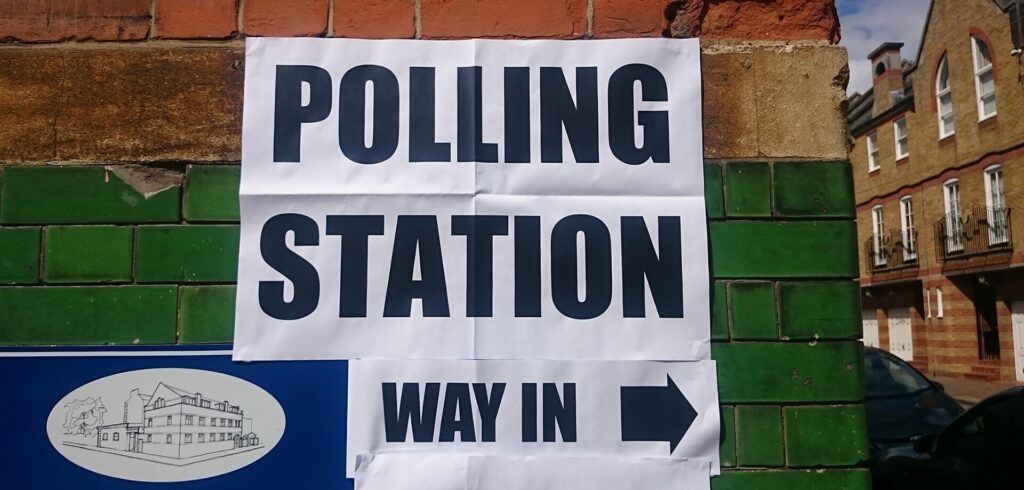
What the polling station must do
Returning officers are legally responsible for accessible elections, and since the Elections Act 2022 the duty is framed broadly: polling stations must provide such equipment as it is reasonable to provide to enable disabled people to vote independently. In practice you can expect — and ask for by name:
- step-free access to the station, or a workaround on the day (including bringing the ballot to the door of an inaccessible building)
- a tactile voting device fitted to the ballot paper so blind and partially sighted voters can mark it themselves
- large-print ballot papers on display, and a hand-held copy to refer to in the booth
- good lighting, a magnifier, a low-level booth for wheelchair users, and a chair if you cannot stand
- staff who will read the candidate list aloud on request
And a change worth knowing: anyone aged 18 or over can now act as your companion in the booth — it no longer has to be a close relative or qualified elector. Alternatively, the Presiding Officer can mark the ballot at your direction. Your choice of candidate remains secret either way; a companion who decides for you is committing an offence.
The tactile device, the large print and the companion rules only work if you know to ask. Polling staff are trained, but the voter who names the equipment gets the equipment.
Voter ID
You now need photo ID to vote in person at most elections in Great Britain. The accepted list includes some disability-relevant documents — a Blue Badge is one, and older and disabled people’s bus passes generally count. If you have no accepted ID, apply for a free Voter Authority Certificate from your council before the deadline — it exists precisely so nobody is priced out of the ballot.
ID rules trip up disabled voters disproportionately — expired documents, photos that no longer match, the sheer admin. Check your ID against the current list well before polling day, not in the queue.
Post, proxy and the practical menu
- Postal voting is on demand — no reason needed — and the council must consider requests for support if you cannot sign consistently, including signature waivers where a condition makes a matching signature impossible.
- Proxy voting on disability grounds can be long-term, and emergency proxies exist right up to polling day for medical emergencies.
- If your polling station turns out to be inaccessible on the day, tell the staff — options exist including the ballot being brought out to you — and then report it afterwards so it is fixed for next time.
Make the complaint count
Access failures at elections go to the Returning Officer at your council — and patterns of failure to the Electoral Commission, which surveys accessibility after every poll. Name the station, the time, the barrier and what it cost you: the tactile device that was “in the other station”, the ramp nobody could find, the companion refused under the old rules. These reports genuinely shape the next election’s arrangements.
Democracy is also lobbying between elections — and MPs’ surgeries are covered by the same Equality Act duties as everything else. An inaccessible surgery is worth a letter with a copy to the local paper.



_(17195104557).jpg)