Believe Us: ME/CFS, Long Covid and Your Rights at Work, on Benefits and at the Doctor’s
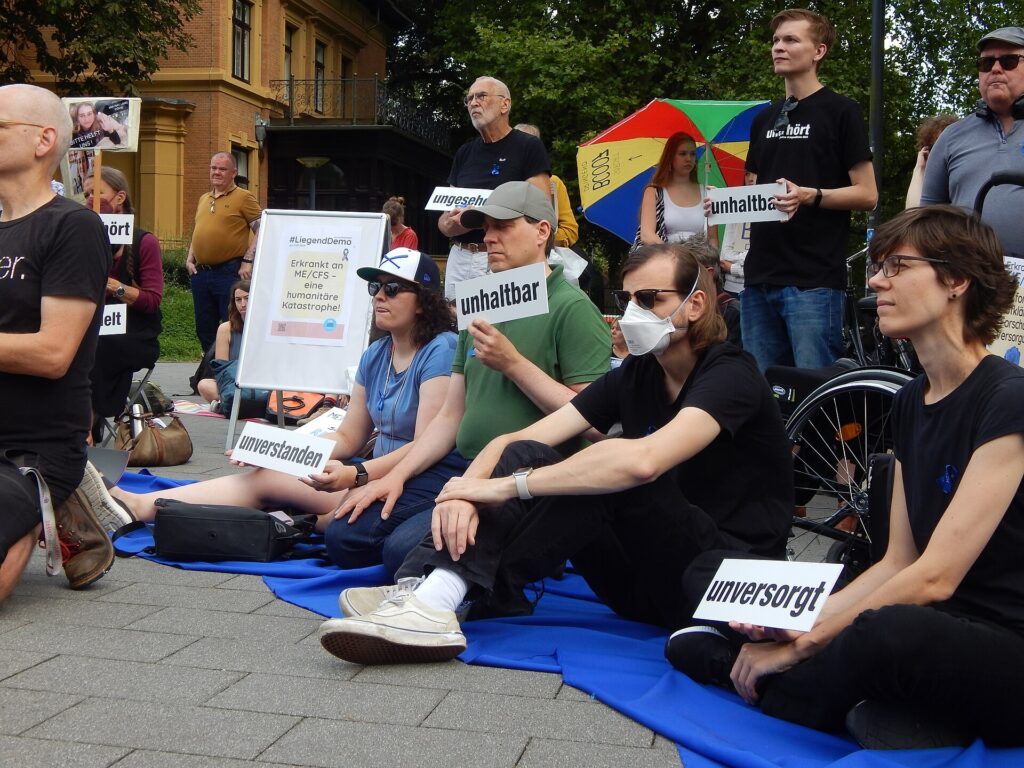
An estimated 2 million people in England and Scotland reported long Covid in early 2024, and up to 390,000 people in the UK may have ME/CFS. Too many are still told to push through. The law, and NICE, say otherwise. Here’s how to use both.
Not a Health and Safety Excuse: Epilepsy Rights at Work, Behind the Wheel and in Public

Around 633,000 people in the UK live with epilepsy, yet many are still labelled a “health and safety risk” before anyone asks a single question. Here’s what the law says about work, driving, free travel, prescriptions, seizure first aid, and being thrown out after a seizure.
Parenting While Disabled: The Support You’re Owed, Not the Suspicion You Fear

The Care Act lists looking after your children as an outcome councils must weigh, yet research found disabled parents too scared to ask for help in case they were judged unfit. Here’s what the law actually gives you, from social care to the school gates.
Hypos, Pumps and Prejudice: Diabetes Rights at Work, at School and Through Airport Security
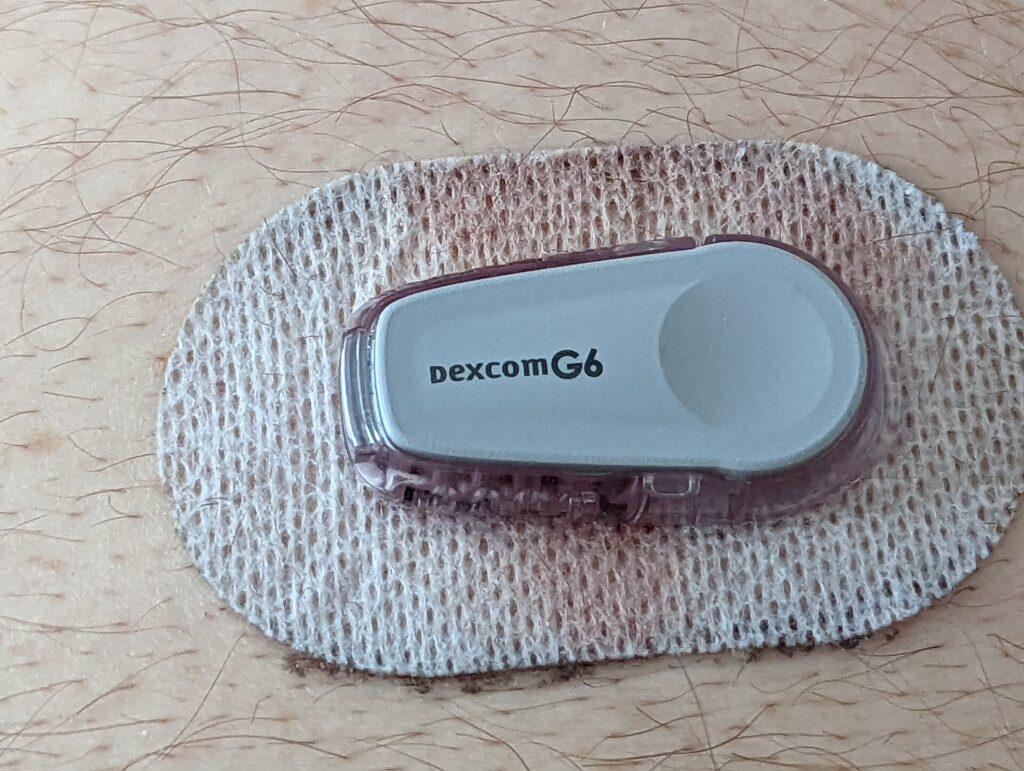
One in six working people with diabetes feel their employer has discriminated against them, says Diabetes UK. From hypo breaks and DVLA insulin rules to school healthcare plans and pump-safe airport security, here’s what the law actually gives you, and how to make it stick.
Neurodivergent at Work: Adjustments That Cost Nothing and Change Everything

Autistic and ADHD workers are failed less by their jobs than by the assumptions wrapped around them — open-plan noise, vague instructions, interviews that test small talk instead of the role. Most fixes are free. The law already requires them.
BSL Is a Language, Not a Favour: Deaf Access Rights in Practice

For tens of thousands of Deaf people, English is a second language and BSL is the first. The BSL Act recognised the language; the Equality Act and the NHS’s own rules are what actually oblige anyone to provide an interpreter. Here is how to make them.
The Needs Assessment: Social Care’s Front Door, and How to Walk Through It

Every right to council care support starts with one thing: a Care Act needs assessment. You are entitled to one on request, regardless of your savings — and to direct payments that let you employ your own support rather than take what you’re given.
Getting a Wheelchair on the NHS: Services, Budgets and the Waiting Game

The chair is not a convenience — it is mobility itself. Yet NHS wheelchair provision is a postcode lottery of referral criteria, waiting lists and basic models. How the system works, what a personal wheelchair budget can do, and how to fight a refusal.
Visible Difference: The Equality Act Clause Nobody Quotes

If you have a significant scar, birthmark, skin condition or facial difference, the Equality Act protects you automatically — no need to prove your life is limited by it. Almost nobody knows the clause exists, including the people discriminating.
Tourette’s in Public: Tics, Stares and Being Asked to Leave

Being removed from a cinema, challenged by security or reported to the police for tics you cannot control is disability discrimination — and it happens to people with Tourette’s constantly. Here is the law, and the cards, cues and scripts that make going out easier.