
The short version
A single step excludes a wheelchair user as completely as a locked door — and a portable ramp costs less than a till. Twenty-five years after the law changed, the step is still there. Here is what the law actually requires of shops, and how to move the ones that will not budge.
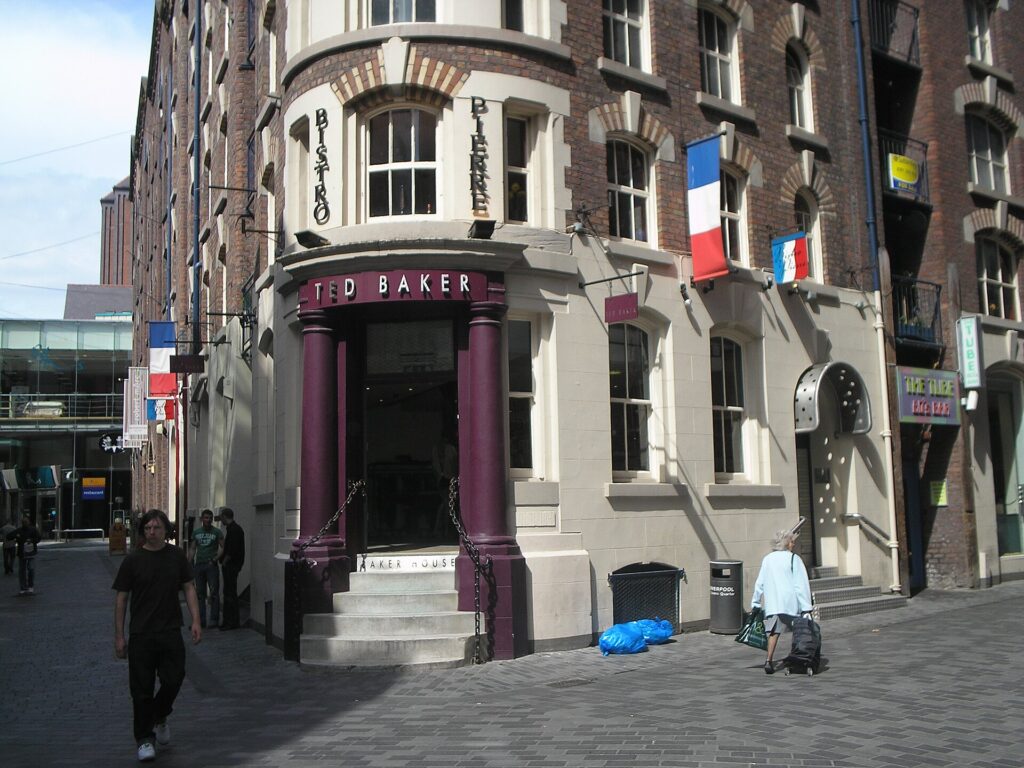
The most common access barrier in Britain is not a distant station or a listed building. It is one step, about fifteen centimetres high, at the door of an ordinary shop. It has been unlawful to ignore it for a generation. It is still everywhere.
What the law actually asks of a shop
Under the Equality Act 2010, anyone providing services to the public must make reasonable adjustments — and the duty is anticipatory: they are supposed to plan for disabled customers in general, in advance, not react to you personally on the day.
The duty has three limbs: changing practices and policies, providing auxiliary aids, and — specifically for physical features — taking reasonable steps to remove, alter or provide a reasonable means of avoiding a feature that puts disabled people at a substantial disadvantage.
What is “reasonable” scales with the organisation. Nobody expects a corner shop to rebuild its Victorian frontage. But a portable ramp and a doorbell costs less than a week’s coffee round, and for a national chain, the bar is far higher — level entrances, accessible payment counters, hearing loops that are switched on, accessible changing rooms that are not used as stockrooms.
The everyday barriers, named
- The step with no ramp — or a ramp behind a locked door with a bell nobody answers.
- Aisles blocked by stock — a legally accessible shop made inaccessible by Tuesday’s delivery.
- High counters with no lowered section, card readers bolted out of reach.
- Self-checkouts with touchscreens unusable by blind customers, and no staffed till open.
- Hearing loops installed, unplugged, and never tested since the shopfitters left.
- “No dogs” applied to assistance dogs — flatly unlawful; see our guide.
- Music at nightclub volume, lighting that flickers, and nowhere to sit — the sensory barriers that never make the audit.
The shop is not inaccessible because ramps are expensive. It is inaccessible because nobody who works there has ever had to notice the step.
Moving a shop that will not move
- Ask, on the spot, for the manager — and be specific: “I need a ramp for this step. Do you have a portable one?” Many barriers fall the first time someone actually asks.
- Write afterwards to the shop and, for a chain, to head office: what happened, the date, what adjustment you are asking for, and a reference to the Equality Act duty. Give a fortnight for an answer.
- Use the anticipatory point. “This duty exists whether or not a disabled customer has complained before” removes the standard “no one has ever raised this” reply.
- Escalate: free advice from the Equality Advisory & Support Service (0808 800 0082); for a claim, the county court within six months less one day. Small-claims-track discrimination cases are more feasible than most people assume, and settlements frequently include the ramp as well as the money.
- Report it on our map. A pinned report warns other people and gives the shop a public reason to fix it — and our issues page shows which businesses respond.
For the shops that want to get it right
Since most fixes are cheap, here is the list we wish every small business taped to the till:
- a portable ramp (£100 or less) and a doorbell at wheelchair height — tested weekly
- one clear route through the shop a wheelchair can follow, kept clear as a closing-time job
- the hearing loop plugged in, switched on, and signed
- a staff habit of offering a chair, and of not touching wheelchairs or guide dogs uninvited
- “How can I help?” instead of “Are you sure you can manage?”
Access is a market, too: the Purple Pound — disabled households’ spending power — is estimated in the hundreds of billions. The step is not just unlawful. It is bad business.


.jpg)