The short version
High tables, high stools, a step at the door and a "cosy" basement loo: modern bar design quietly excludes anyone who can't perch. Here's what venues are legally supposed to do — and how to ask for it without ruining your evening.
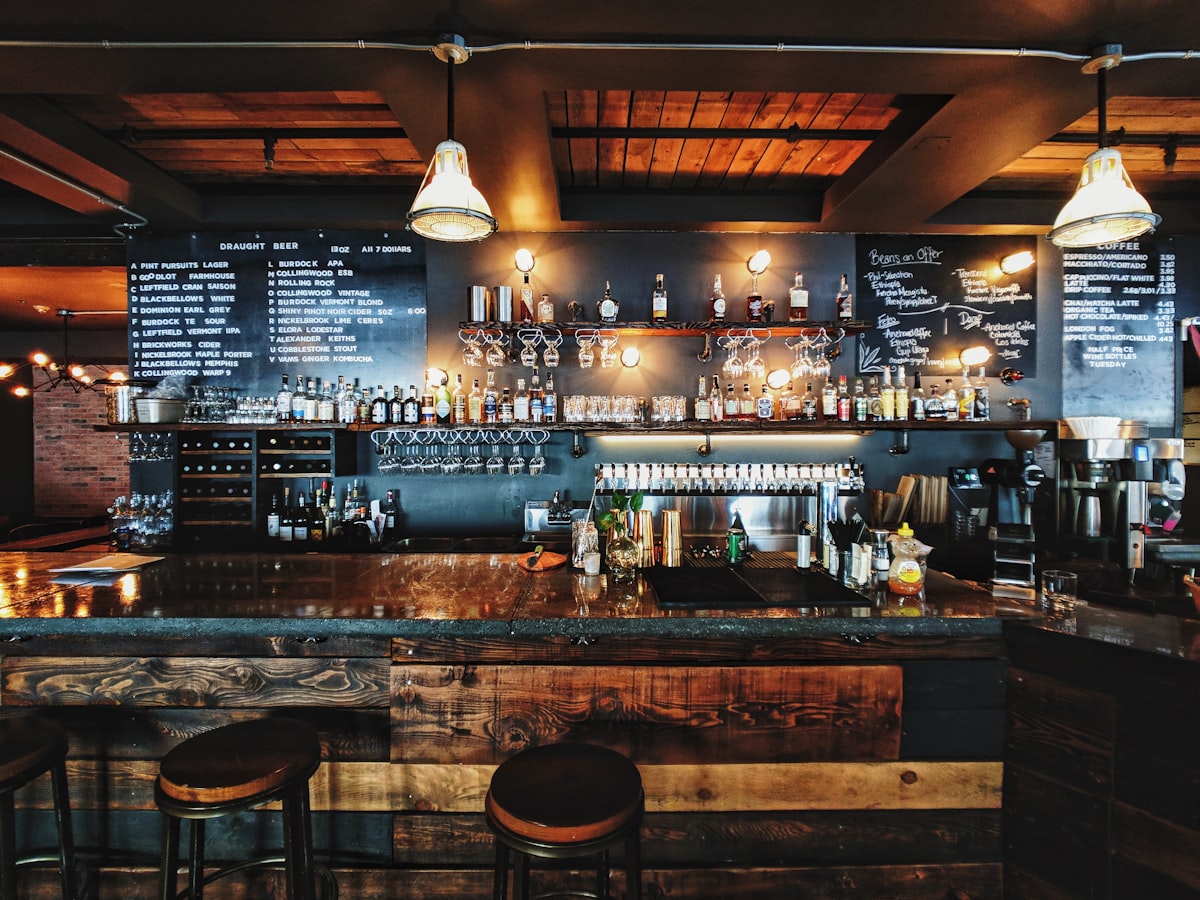
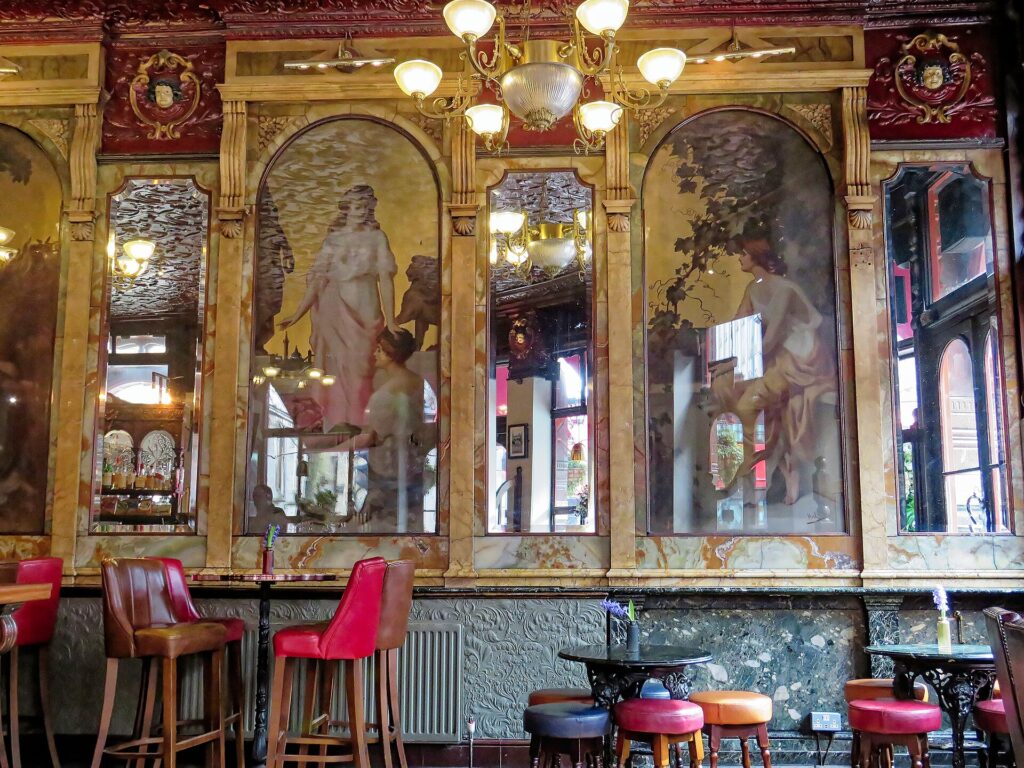
There’s a certain kind of trendy bar where every surface is chest height. Tall tables, tall stools, a bar you order at standing up — and not a single chair a person of ordinary height can sit on, let alone someone who uses a wheelchair, has a fatigue condition, is recovering from surgery, or simply can’t climb onto a stool.
Add the step at the front door (“it’s only one step!”), the accessible toilet used as a stockroom, and the basement gents down a spiral staircase, and you have a night out that excludes a wide slice of the population — often without anyone who works there ever noticing.
What the law actually expects of a bar or pub
Under the Equality Act 2010, anywhere serving the public must make reasonable adjustments for disabled customers — and the duty is anticipatory: they’re supposed to think about it before a disabled customer arrives, not scramble when you do. For a bar, reasonable adjustments can be as simple as:
- keeping some standard-height tables and chairs, and being willing to move furniture on request;
- a portable ramp for the front step, and staff who know where it is;
- table service for anyone who can’t stand at the bar or reach a high counter;
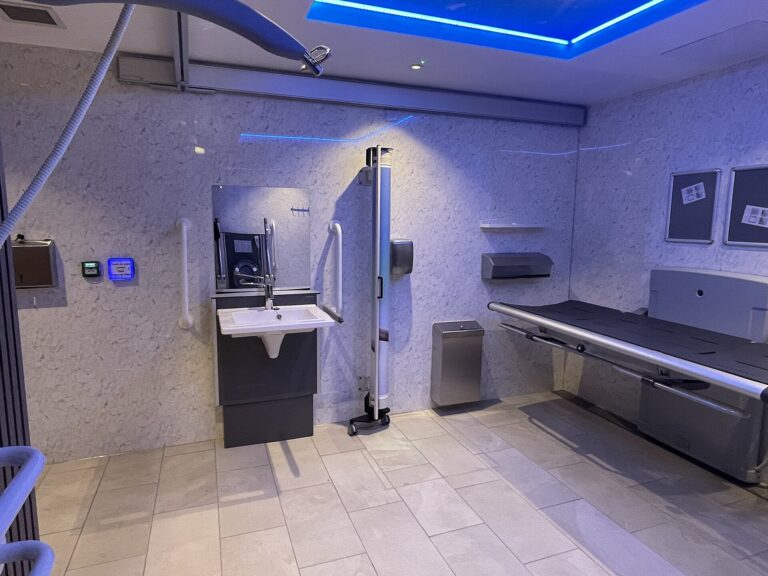
- keeping the accessible toilet available, unlocked on request, and not full of stock;
- a lowered section of counter, or at minimum staff who come around to you.
“Reasonable” scales with the business — nobody expects a listed-building micropub to install a lift. But almost every venue can manage a ramp, a chair and some staff awareness, and the law expects at least that.
How to handle it in the moment
- Ask, specifically: “Could you bring a lower table over?” / “Do you have a ramp for the step?” Most staff have simply never been asked — and will scramble to help once they understand.
- If the answer is a shrug, ask for the manager. Stay pleasant, stay specific: name the thing that would fix your evening.
- If nothing changes, vote with your wheels — and then put it in writing. A short email to the venue (and its head office, if it’s a chain) naming the Equality Act, describing the barrier, and proposing the fix, does more good than a one-star review — though honest reviews mentioning access help the next person too.
Inaccessible design is rarely malice. It’s a hundred small decisions made by people who never had to think about it — and it’s undone the same way, one specific request at a time.
The same anticipatory duty applies to shops, cafés, theatres and clubs — see our plain-English Equality Act guide, and if a venue won’t budge, our complaints guide shows the escalation route, including the EASS helpline and the county court.