The short version
Airport assistance is free and legally guaranteed — and airlines damage wheelchairs with depressing regularity. Here's what you're entitled to, and exactly what to do if your chair comes back broken.
Air travel is where disabled passengers are most dependent on other people and least in control. The rules are actually quite strong. The problem is that almost nobody is told what they are.
Assistance is free, and it’s a legal right
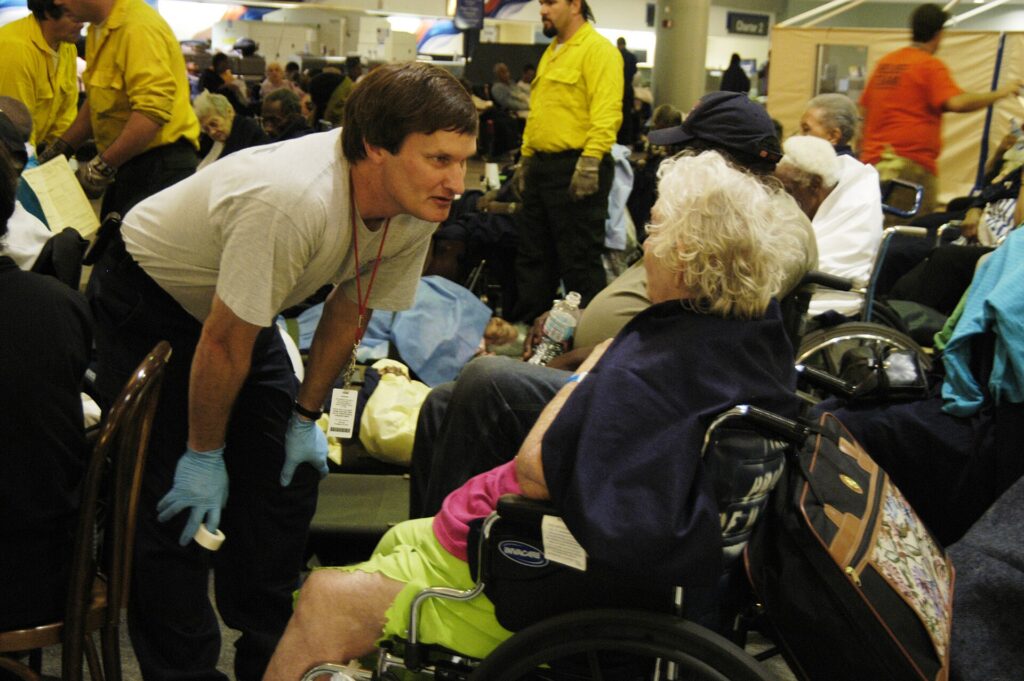
Under retained EU Regulation 1107/2006, which still applies in UK law, disabled passengers and passengers with reduced mobility have the right to free assistance at UK airports and on flights departing from them. That covers help from a designated arrival point at the airport, through check-in and security, to the aircraft door and to your seat — and the reverse on arrival.
- Book assistance at least 48 hours before departure, through the airline or travel agent. If you don’t, the airport must still make reasonable efforts, but 48 hours is what guarantees it.
- It must not cost you anything. Assistance is funded through a levy on airlines, not charged to you.
- Your wheelchair and mobility equipment travel free, in addition to your normal baggage allowance.
- You can normally use your own wheelchair right up to the aircraft door, then transfer to an aisle chair. Ask for this — being separated from your chair at check-in is common, and often unnecessary.
An airline can only refuse to carry you on genuine safety grounds, or where the aircraft’s size physically makes it impossible — and if it does refuse, it must tell you why, in writing if you ask.
Protecting your wheelchair
Damage to wheelchairs in the hold is distressingly routine, and for the owner it isn’t lost luggage — it’s losing your legs and your independence, sometimes for months. Before you fly:
- Photograph the chair from every angle at the airport, with a timestamp.
- Give the airline written handling instructions and tape a copy to the chair — how to fold it, what not to lift it by, how to disconnect the battery.
- Remove and carry the cushion, headrest, joystick and anything else removable and expensive.
- Ask for the chair to be returned at the aircraft door rather than at baggage reclaim, and confirm it at the gate.
- Carry the make, model, serial number and value — and the contact details of whoever maintains it.
If it comes back damaged
- Report it before you leave the airport. Ask for a Property Irregularity Report (PIR) and get a copy with a reference number. Leaving without reporting makes everything harder.
- Photograph the damage at the airport, next to the PIR if you can.
- Ask for immediate provision — a temporary replacement chair or a hire chair. Airlines can and do arrange this; you have to ask.
- Claim in writing. Get a repair quote or replacement valuation from your supplier. Note that international carriage rules can cap airline liability at a level far below the cost of a powered chair, so also check your travel insurance and any specialist mobility equipment cover.
- Escalate: if the airline’s response is inadequate, complain to the Civil Aviation Authority, which oversees these rights, or the relevant alternative dispute resolution body the airline belongs to.
A damaged suitcase is an inconvenience. A damaged wheelchair is house arrest — and the compensation rules still don’t really recognise the difference.
Planning a rail leg of the journey too? See Passenger Assist and what to do when it fails.