The short version
For around a quarter of a million people in the UK, a standard accessible toilet is unusable. Changing Places toilets are the answer — here's what they are, where to find one, and how to campaign for more.
A standard accessible toilet assumes you can transfer yourself, or be helped by one person, standing up. For hundreds of thousands of people in Britain — people with profound and multiple learning disabilities, muscular dystrophy, motor neurone disease, cerebral palsy, spinal injuries, and many older people — that assumption is simply wrong.
Without the right facilities, the alternatives are grim and undignified: being changed on a toilet floor, or families rationing drinks and cutting trips short so they can get home in time. It is one of the most powerful and least discussed reasons people stop going out.
What makes a Changing Places toilet different
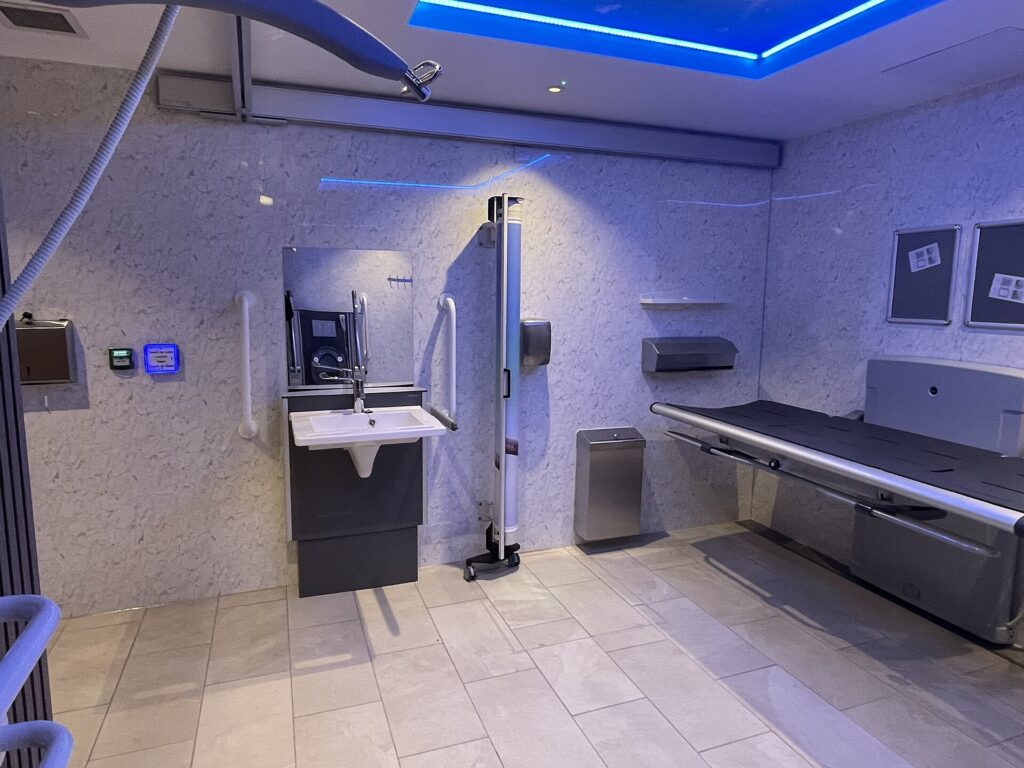
A Changing Places toilet is a bigger, better-equipped room that meets a published standard. It has:
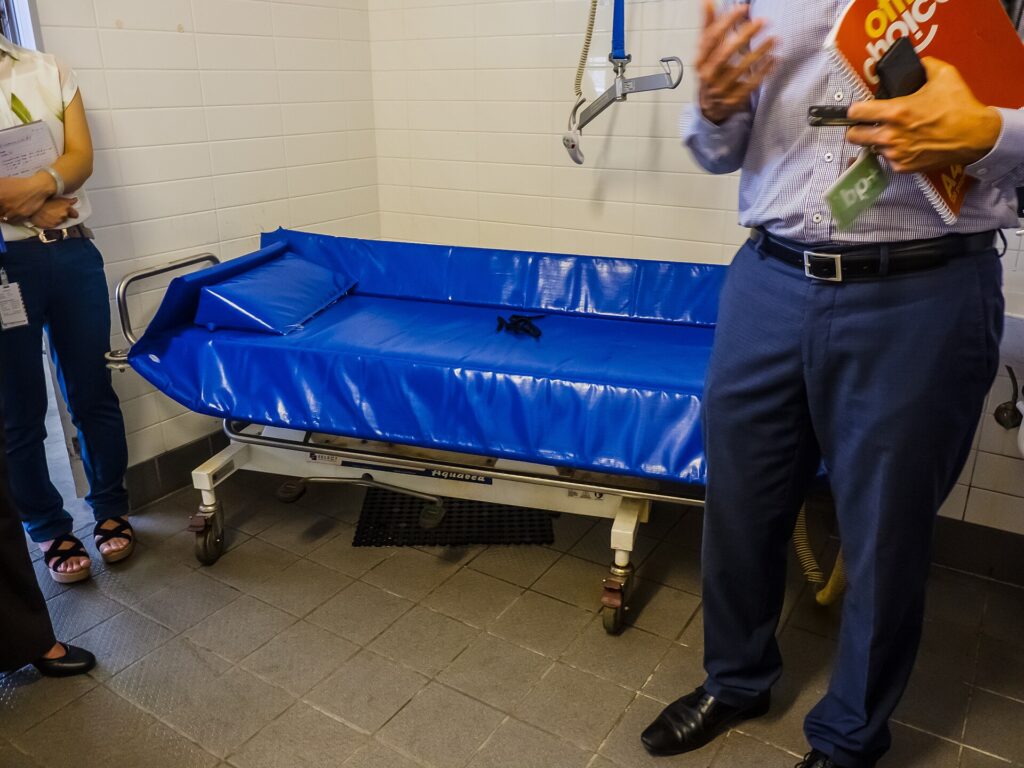
- a height-adjustable adult-sized changing bench;
- a ceiling track hoist (or mobile hoist);
- enough space for the person and up to two carers — around 12 square metres;
- a centrally placed toilet with room on both sides;
- a privacy screen or curtain, a large waste bin, and a non-slip floor.
None of it is exotic. It’s space, a bench and a hoist — and it turns an impossible day out into an ordinary one.
Finding one
The Changing Places consortium runs a national map of registered facilities at changing-places.org, and there’s a growing number in shopping centres, motorway services, major stations, museums and stadiums. Many need a RADAR key — the standard national key that opens locked accessible toilets, available cheaply from Disability Rights UK and many councils. Plan the loos before you plan the route; every experienced family already does.
The law is finally moving
Since 2021, building regulations in England have required Changing Places toilets in large new public buildings — shopping centres, sports venues, cinemas, major transport hubs and the like. There have also been government funding rounds to retrofit existing buildings, administered through councils.
What that doesn’t do is fix the existing building stock. Most venues you visit today were built before the requirement and are under no absolute duty to install one — though the Equality Act’s anticipatory duty to make reasonable adjustments still applies, and for a large venue with space and money, “reasonable” is a live argument.
Campaigning for one
- Ask, in writing, and be concrete. Tell the venue how many visits they lose — you, your family, and everyone else in your position — and what specifically is needed (bench, hoist, space).
- Point at the money. Council funding rounds for Changing Places have existed for years; a venue that says “we can’t afford it” may simply not know grants exist. Ask your council what’s available.
- Go to the council as a provider too. Libraries, leisure centres and civic buildings are directly within their control, and councillors respond to this issue because it photographs well and costs relatively little.
- Use planning applications. When a big new development is consulted on locally, comment on it. A Changing Places toilet requested at the design stage is far cheaper than one retrofitted later.
A toilet you can’t use is the shortest possible list of reasons to stay home — and the easiest to fix.