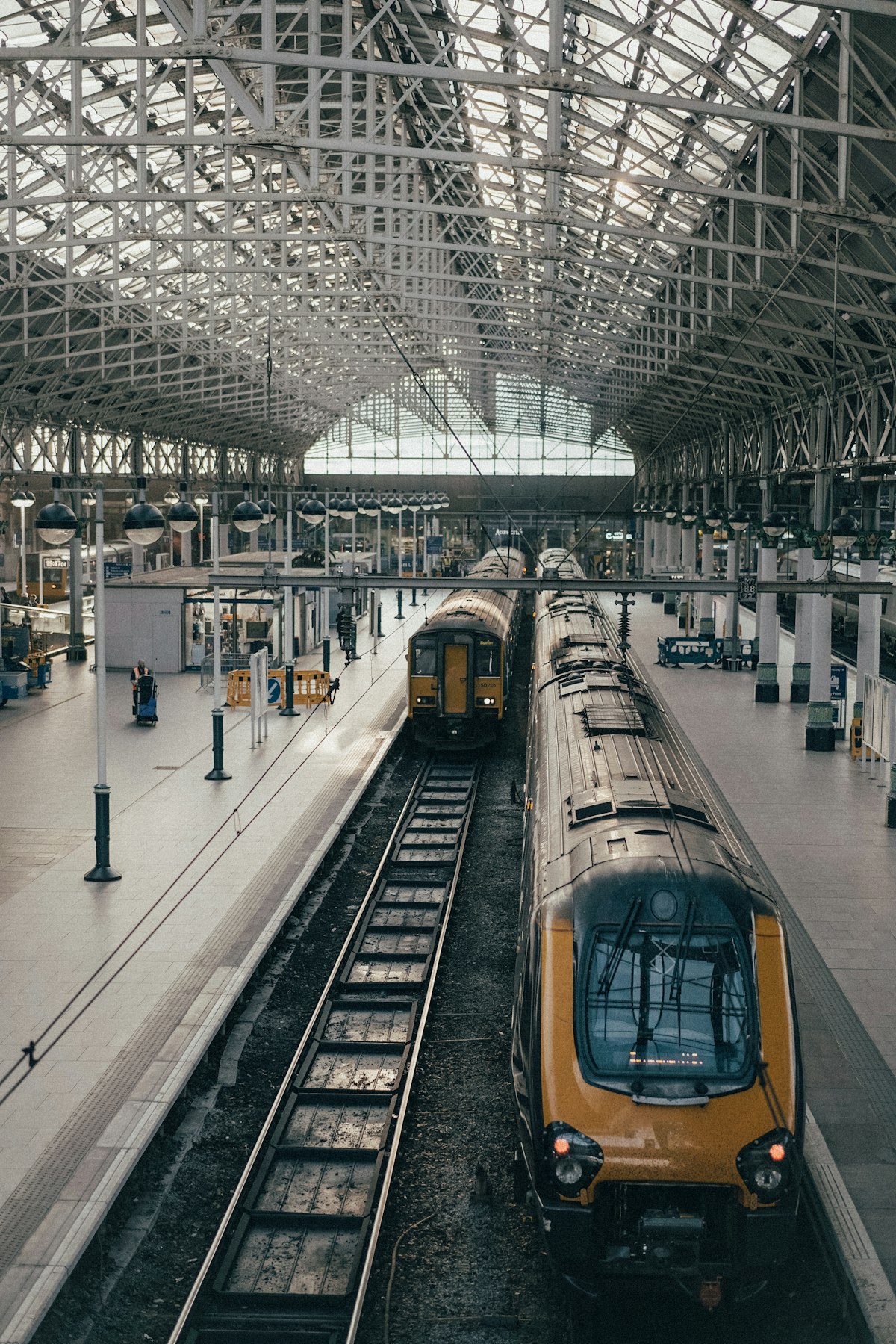
The short version
We took Transport for London's published station data and asked two questions of every station: can you reach the platform, and can you get on the train? Here's what 509 stations look like when you separate them.
Transport for London publishes a detailed dataset describing its stations — lifts, ramps, level walkways, and, for many platforms, the measured step and gap between the platform edge and the train floor in millimetres. We processed all of it and built a map of 509 stations.
We asked two separate questions of every station, because the industry usually blurs them into one:
- Can you get from the street to the platform? That’s what “step-free station” nearly always means.
- Can you actually get on the train? That’s the bit that decides whether you travel.
The headline numbers
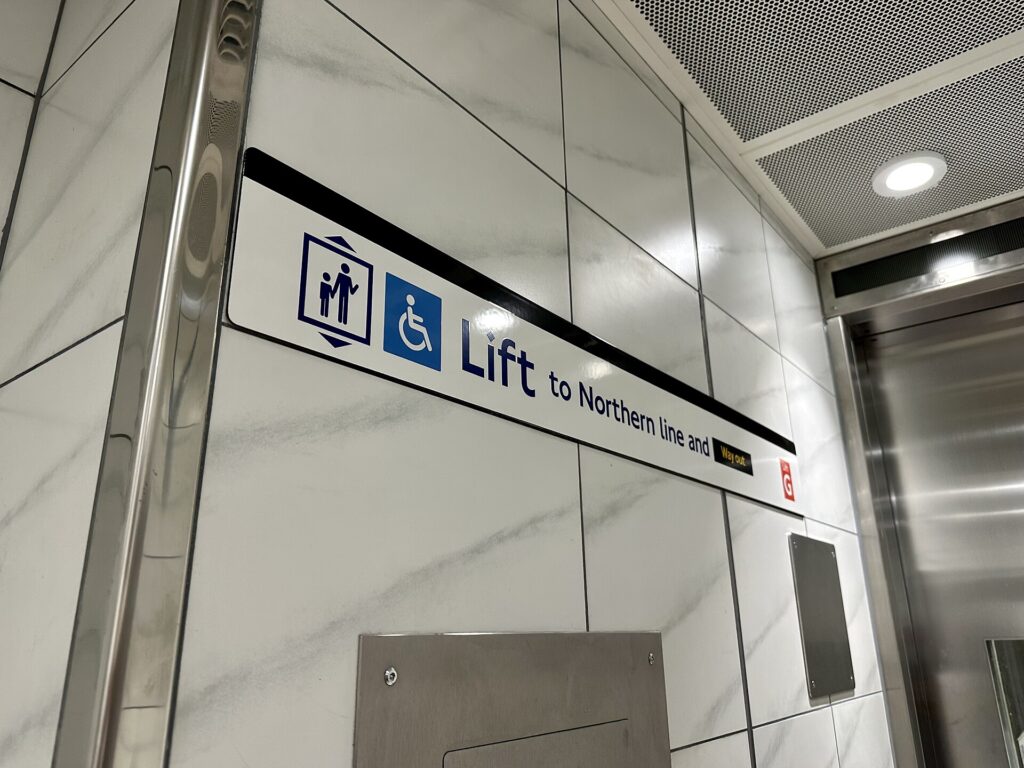
- 197 of 509 stations have no step-free access at all — stairs or escalators only.
- 158 stations offer level boarding: step-free to the platform and a boarding point you can roll straight across.
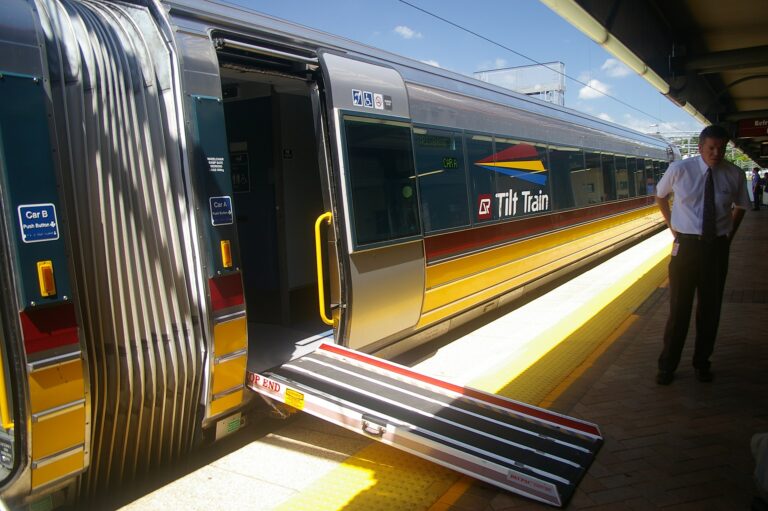
- 145 stations get you to the platform but need a staff-deployed ramp to board the train.
- On the Underground specifically, 153 of 270 stations — 57% — have no step-free access.
Put plainly: on the network that carries more passengers than any other in Britain, a wheelchair user cannot use well over half the stations. Holborn, Covent Garden, Oxford Circus, Piccadilly Circus, Leicester Square — some of the busiest stations in the country, and all of them simply closed to a large group of people.
The good news is genuinely good
Look at the green pins and a different story appears. Every single DLR station — all 45 — offers level boarding. So does every one of the 39 Tram stops. Not “step-free to the platform, then wait for someone with a ramp”. Level. Roll on, roll off, like everyone else.
And every Elizabeth line station is step-free to the platform, with level boarding at many of them. These aren’t miracles of engineering — they’re what happens when accessibility is designed in from the start rather than retrofitted apologetically decades later.
Whenever someone tells you level boarding is impossible or unaffordable, the DLR has been quietly doing it at every station for forty years.
The awkward middle
The 145 “step-free, ramp to board” stations are where most of the frustration lives. On paper they’re accessible. In practice your journey depends on a member of staff being present, being told you’re coming, and arriving at the right door before the train leaves. When it works, it’s fine. When it doesn’t, you’re watching your train pull away — which is why Passenger Assist and its failures matter so much.
This is also why the distinction on our map isn’t pedantry. “Step-free” and “level boarding” are different promises, and being told the first when you needed the second is how people end up stranded.
How we worked it out
TfL publishes accessible-route information — lifts, ramps and same-level paths — for stations that have a step-free route from the street. We checked that signal against three dozen stations whose status is publicly known, and it matched (including recently upgraded stations like Bond Street and Knightsbridge, which are now step-free). For boarding, we used TfL’s measured step and gap figures and its own level-access flags, treating a step of 50 mm or less and a gap of 85 mm or less as level boarding — TfL’s own threshold.
The data is a planning tool, not a promise: lifts break, staff are absent, routes close for engineering. Always check on the day. And if you find a station where our map is wrong — or a lift that’s been broken for months — tell us and we’ll pin it.