The short version
A station can be advertised as "step-free" and still leave you staring at a 20-centimetre gap to the train. Here's why the gap exists, how to plan around it, and how to push for better.
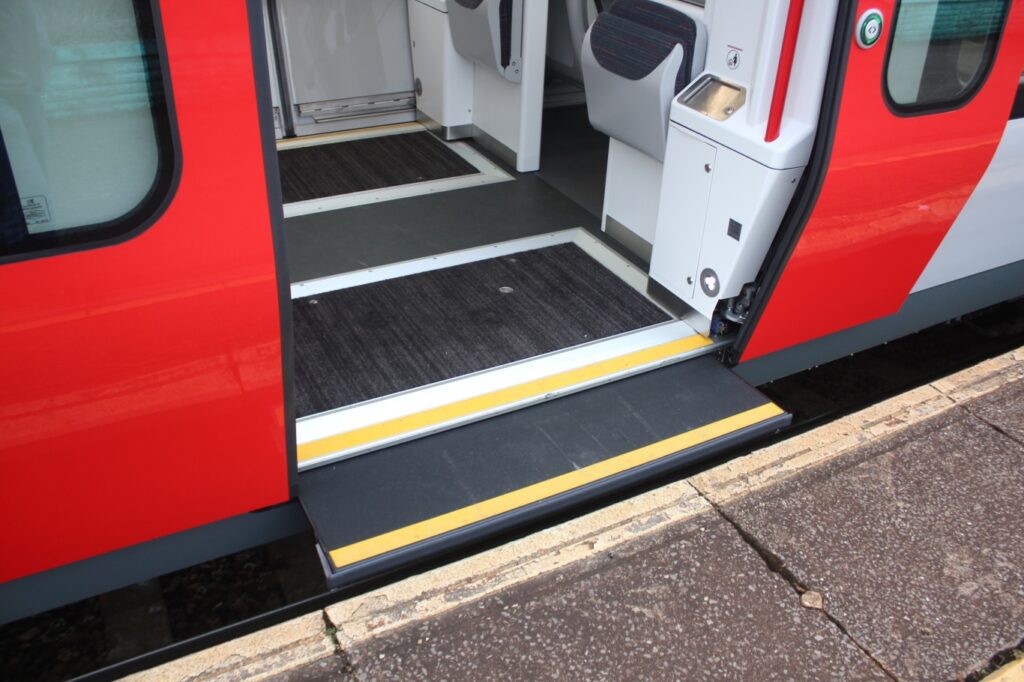
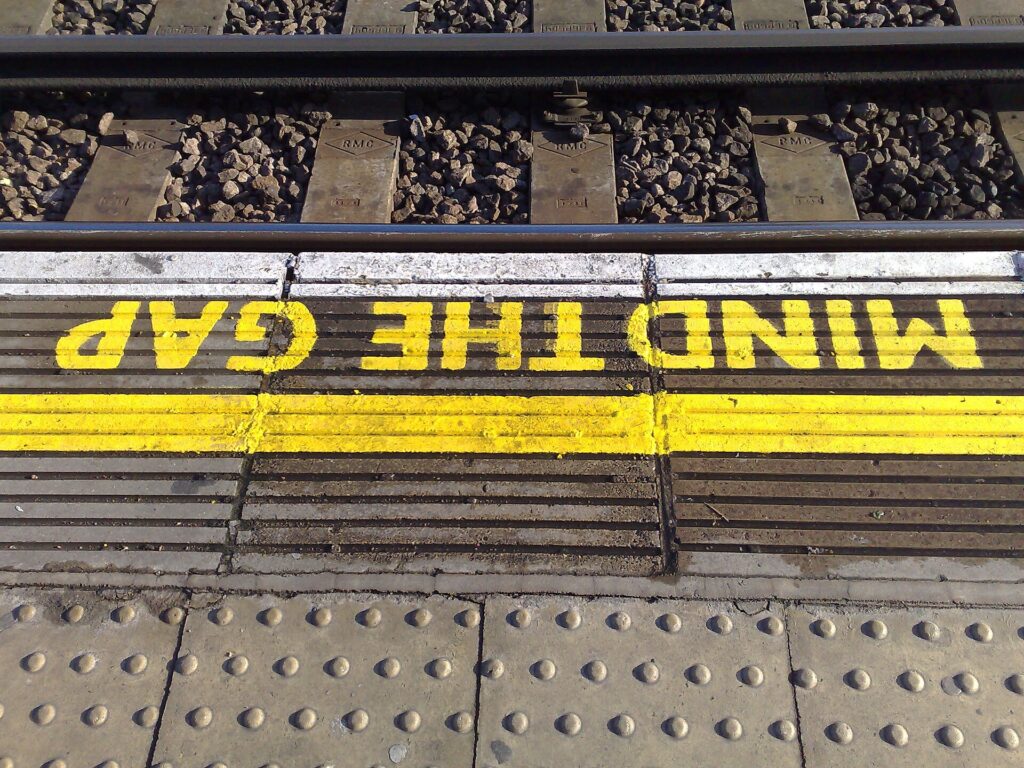
“Step-free access” is one of the most quietly misleading phrases in British transport. It usually means you can get from the street to the platform without stairs. It says nothing about the last metre — the step and gap between the platform edge and the train door, which for many wheelchair users is the only bit that matters.
Only around one in three railway stations in Great Britain has step-free access to every platform, and far fewer offer genuine level boarding. In London, fewer than half of Underground stations are step-free — which leaves well over a hundred that are not accessible to a wheelchair user at all. Even at “accessible” stations, the standard answer to the gap is a manual boarding ramp fetched by staff.
Why the gap exists
Britain’s railway is old. Platform heights and curves vary from station to station — sometimes from one end of a platform to the other — while modern trains are built to a standard floor height. Where platforms curve, the gap widens at the middle or ends of the train. True level boarding (as on newer tram systems, the Elizabeth line’s central section, and some refurbished routes) requires matching the platform and train precisely, which is expensive and slow to roll out.
Knowing this doesn’t fix it. But it explains the golden rule: never assume “step-free station” means “level boarding” — check what the boarding arrangement actually is.
How to plan a journey you can trust
- Check the station’s access details on National Rail Enquiries (each station page lists step-free categories, staffing hours and whether ramps are available).
- Book Passenger Assist so staff with a ramp are expected to meet you — or use Turn Up and Go at staffed stations.
- On the Underground, use TfL’s step-free guide, which distinguishes step-free to the platform from step-free to the train — a distinction the whole industry should copy.
- If a station on your route is unstaffed or inaccessible, the operator must offer an acceptable alternative — typically an accessible taxi to the nearest accessible station at no cost to you. This is in every operator’s Accessible Travel Policy. Ask for it by name.
When boarding fails
If the ramp never arrives, staff can’t be found, or you’re left on the train past your stop — that’s not bad luck, it’s a service failure with a formal remedy. Complain to the train operator, ask for redress under their Accessible Travel Policy, and if you’re not satisfied with the final answer, take it to the Rail Ombudsman, which is free and independent. Our guide to complaining effectively walks through the wording.
The measure of an accessible railway isn’t the lift to the platform. It’s whether you can get on the train.


.JPG)
