The short version
Drivers who refuse wheelchair users or charge them extra are committing a criminal offence — not just being unhelpful. Here's the law, and how to report a refusal so it actually counts.
Taxis are the fallback when everything else fails: the station with no lift, the bus that didn’t stop, the night bus that isn’t running. Which makes being refused by one particularly bitter — and it happens a lot.
The good news: this is one of the few areas of access law with real teeth. Refusals here aren’t just civil discrimination; they’re criminal offences with fines and, more persuasively, licence consequences.
What drivers must do
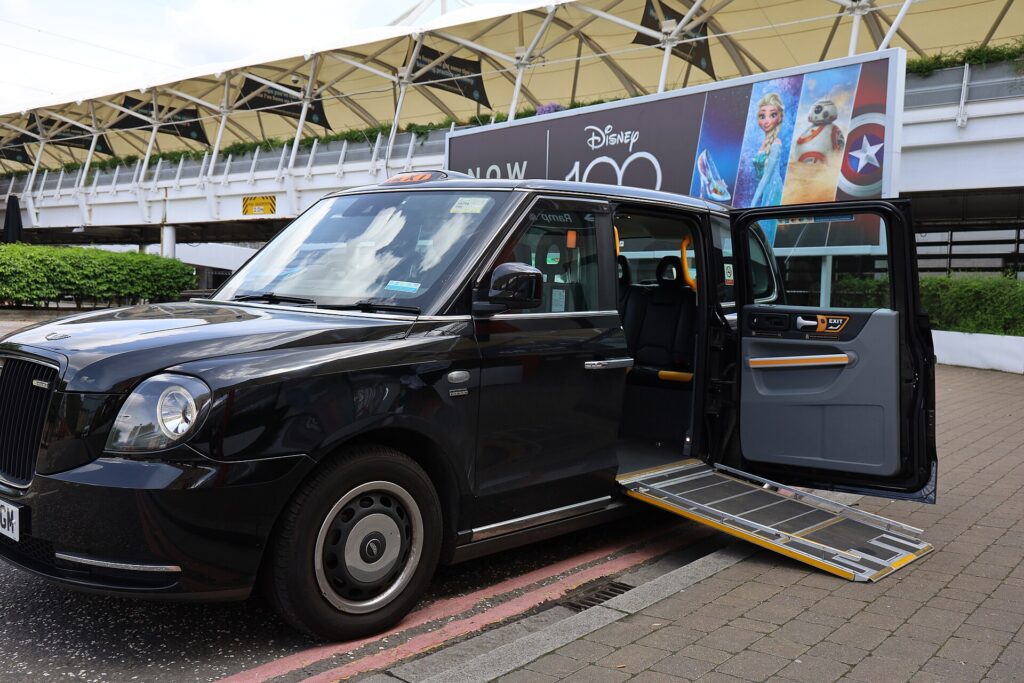
For drivers of designated wheelchair-accessible vehicles, the Equality Act 2010 requires them to:
- carry the passenger while they remain in their wheelchair;
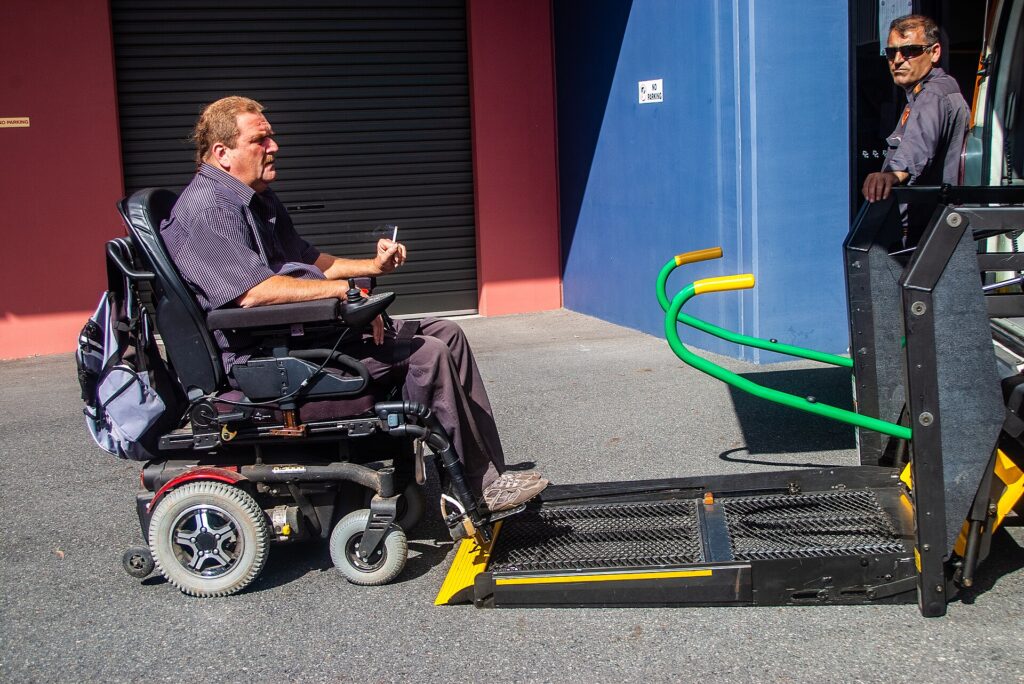
- provide reasonable mobility assistance — help with the ramp, securing the chair, loading luggage;
- not charge any extra for doing so — no “wheelchair surcharge”, no starting the meter while they set up the ramp.
Since the Taxis and Private Hire Vehicles (Disabled Persons) Act 2022, protections extend more broadly across taxi and private hire drivers regardless of whether the vehicle is wheelchair accessible: drivers must not refuse a booking because of disability, must provide reasonable assistance, and must not charge extra. Assistance dogs must be carried, free — see our guide to assistance dog refusals.
The only lawful exemption is a medical exemption certificate from the licensing authority, which must be displayed in the vehicle.
Reporting a refusal so it counts
The single most useful thing you can do is report to the council that licensed the vehicle — not only the app or the operator. Licensing teams hold the driver’s livelihood in their hands, and a documented refusal goes on the licence file.
- Note the licence plate number (councils issue a licence number displayed on the vehicle, usually on a plate at the rear and a disc in the windscreen), the registration, the time, the place and the driver’s description.
- If you booked through an app, screenshot the booking, the driver details and the cancellation.
- Report to the licensing authority for that area — search “[council name] taxi licensing complaint”.
- Report to the operator as well, and say plainly that you are also reporting to the licensing authority.
- For a straightforward refusal to carry a wheelchair user or assistance dog, you can also report it to the police on 101 as a criminal matter.
The wider problem
Only a minority of licensed vehicles in most areas are wheelchair accessible, and councils aren’t obliged to publish a list of designated vehicles — though many do, and asking for one is a fair question to put to your licensing team and your councillors. If your area’s accessible fleet is tiny, that’s a local campaign worth having: it’s a licensing policy decision, made by people you can lobby.
When the bus doesn’t stop and the lift is broken, the taxi is the whole plan. A refusal isn’t rudeness — it’s the end of the journey.
Refused and want it to stick? Our complaints guide has the letter structure, and the free EASS helpline (0808 800 0082) can advise on a discrimination claim.