The short version
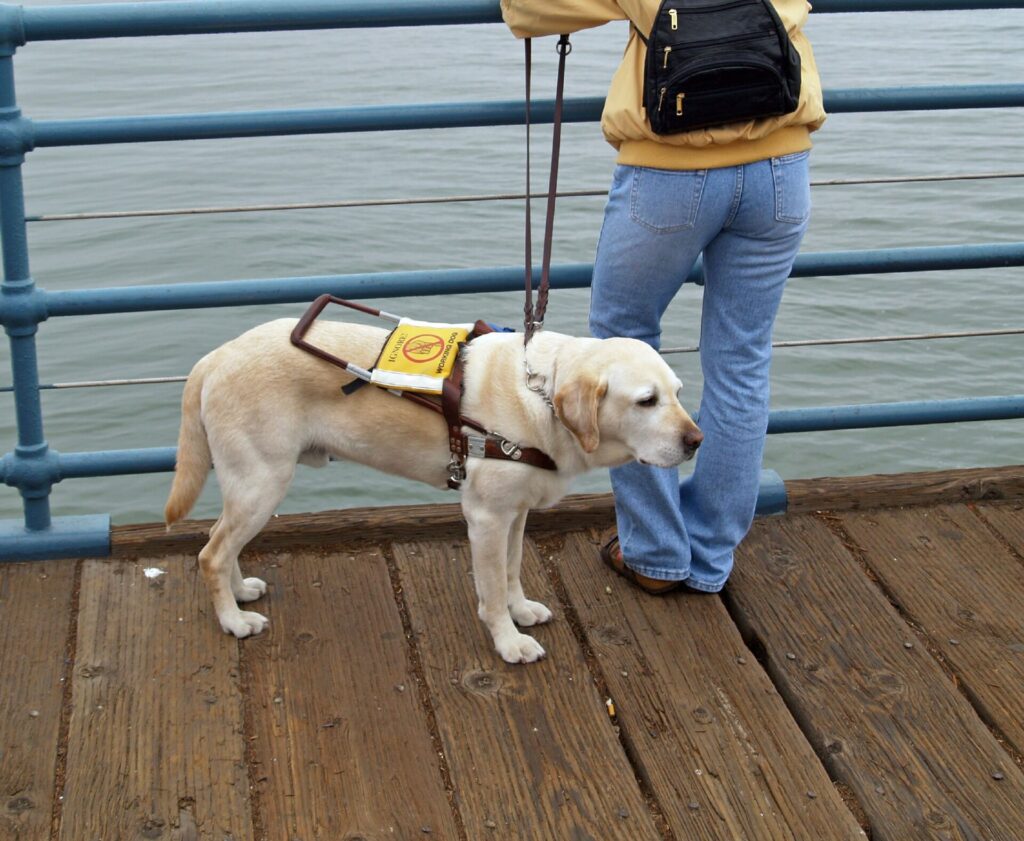
Assistance dog owners are still turned away from taxis, restaurants and shops every week — despite it being unlawful, and in the case of taxis, a criminal offence. Here's the law and how to use it.
Ask any assistance dog owner and they’ll have a list: the minicab that drove off, the restaurant that pointed at a “no dogs” sign, the shop assistant who said it was “health and safety”. These refusals are unlawful, they’re common, and most of the people making them have no idea they’re breaking the law.
The rule, in one sentence
Under the Equality Act 2010, refusing service to someone because they have an assistance dog is disability discrimination — and letting an assistance dog in is a textbook reasonable adjustment to a “no dogs” policy.
Taxis and private hire: this one is criminal
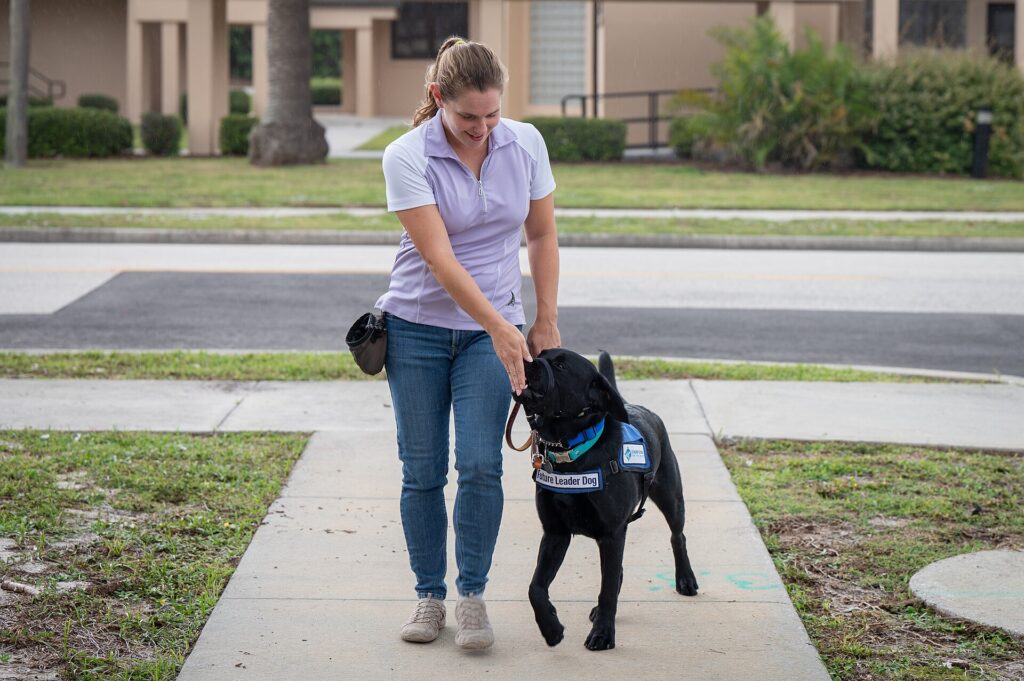
Taxi and private hire drivers have specific duties that go beyond the general rule. They must carry assistance dogs, allow the dog to stay with its owner, and must not charge extra for doing so. Refusing is a criminal offence, not just a civil matter, and can bring a fine and a licence review.
The only lawful exception is a driver holding a medical exemption certificate issued by their licensing authority — usually for a severe allergy — which must be displayed in the vehicle. “I don’t like dogs”, “it’s my own car” and “the last one made a mess” are not exemptions.
If you’re refused: note the registration, the licence plate number (councils give every taxi and PHV a licence number, usually displayed on the vehicle), the time and the location. Report it to the council that licensed the vehicle, not just the app or operator. Licensing teams take these seriously because the licence itself is at stake.
Shops, cafés and restaurants
A blanket “no dogs” policy must give way for assistance dogs. And the food-hygiene excuse is simply wrong: UK food hygiene rules do not prohibit assistance dogs in customer areas of food businesses. Environmental health officers say so routinely; the myth persists anyway.
You are also not legally required to carry ID for your dog. Many owners of dogs from Assistance Dogs UK member organisations carry a booklet or ID card and it defuses arguments in seconds — but the absence of a card doesn’t make a refusal lawful, and there is no national register you can be struck off.
What to do when it happens
- Say the words. “This is an assistance dog. Refusing me is disability discrimination under the Equality Act 2010, and for taxis it’s a criminal offence.” Startlingly often, that ends it.
- Ask for the manager, and ask them to confirm the refusal — politely, so it’s on the record.
- Note the details: date, time, names, vehicle registration and licence number, or the branch and staff member.
- Report it: to head office for a business; to the licensing council for a taxi or PHV; and to the police (101) if you want a taxi refusal treated as the criminal matter it is.
- Get advice: the Equality Advisory & Support Service on 0808 800 0082 is free, and your assistance dog charity will have handled hundreds of these.
An assistance dog isn’t a pet you’ve brought along. It’s mobility equipment that happens to breathe — and refusing it is refusing the person.
More on the underlying law: the Equality Act 2010 in plain English. And if a venue or driver won’t budge, our complaints guide has the template and the escalation route.




.jpg)