
The short version
A stairlift, a wet room, a ramp to your own front door — the Disabled Facilities Grant can pay up to £30,000 towards adapting your home, and most people who qualify have never applied. Here is how the process really works.
The most inaccessible building in many disabled people’s lives is their own home. The bathroom upstairs you can no longer reach. The front step that turned into a wall the day you came home with a wheelchair. The kitchen where you can no longer safely make a cup of tea.
There is a grant specifically designed to fix this — the Disabled Facilities Grant — and its defining feature is that huge numbers of people who would qualify have never heard of it.
What it pays for
The DFG is a council-administered grant for adaptations that make your home usable. Typical works include:
- ramps and step-free access to the front or back door
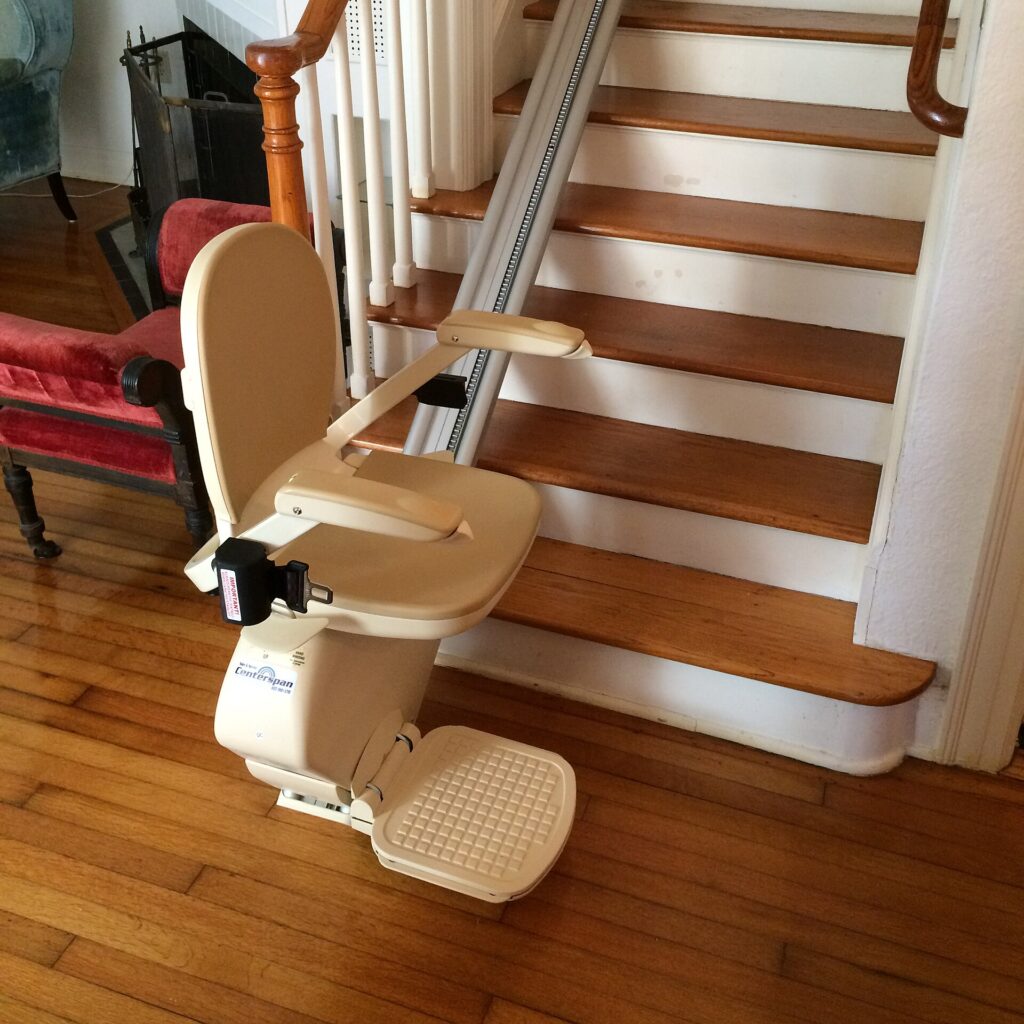
- stairlifts and through-floor lifts
- wet rooms and level-access showers where a bath is unusable
- widening doorways for a wheelchair
- lowering kitchen worktops and repositioning appliances
- improving heating controls and access to them
- making a home safe for someone with a learning disability or sensory impairment — including lighting and safety works
The maximum is £30,000 in England, £36,000 in Wales and £25,000 in Northern Ireland. (Scotland runs a different scheme of equipment and adaptations through local authorities.) Councils can also top up beyond the maximum at their discretion, and many run smaller fast-track schemes for low-cost works like grab rails.
Who qualifies
- You, or someone living in your home, is disabled — the definition is broad and includes physical and sensory impairments, learning disabilities and mental health conditions.
- The works are necessary and appropriate for the disabled person’s needs — usually established by an occupational therapist assessment.
- The works are reasonable and practicable given the age and condition of the property.
- You can be an owner, a private tenant, a council or housing association tenant, or a landlord applying on behalf of a disabled tenant. Tenants need the landlord’s permission — more on that below.
The grant is means-tested for adults — your income and savings affect how much you get — but crucially it is not means-tested when the works are for a disabled child. Parents routinely assume they earn too much and never apply. For a child’s adaptations, income is irrelevant.
The means test puts many adults off applying. It should not: an occupational therapist’s assessment is free either way, and it is the document that unlocks everything else — including help the council must provide regardless of your income.
How the process actually goes
- Contact adult social care (or children’s services) at your council and ask for an occupational therapy assessment for home adaptations. You do not need a GP referral, and you can ask directly.
- The OT visits and writes up what you need. Be brutally honest about your worst days, not your best — the assessment is about need, and stoicism costs people equipment.
- The grants team processes the application, including the means test for adults and a schedule of works.
- The council must give a decision within six months of a complete application. Chase in writing when it drifts, because it drifts.
- Works are done by approved contractors, and the grant is normally paid direct to them.
The honest part: waiting lists for OT assessments are long in many areas, and the whole journey from first call to finished wet room can take a year or more. Start before the situation becomes desperate, not after.
If you rent
Tenants can apply, and landlords should not stand in the way lightly. A landlord’s consent is needed for the works, but under the Equality Act a landlord must not unreasonably refuse consent for disability-related improvements to let property. A flat “no” without reasons is challengeable.
Council and housing association tenants can also push their landlord directly — social landlords have their own adaptation budgets and policies, and an OT assessment carries the same weight there. See our companion piece on renting while disabled.
While you wait, and beyond the grant
- Equipment is separate. The council must provide community equipment — raised toilet seats, perching stools, portable ramps — following an assessment, and in England minor aids and adaptations under £1,000 should be free regardless of means.
- VAT relief. Many building works and products supplied for a disabled person’s domestic use are zero-rated for VAT — ramps, widened doorways, bathroom adaptations. Contractors do not always know; the declaration form is simple.
- Home improvement agencies (often called Care & Repair) exist in many areas to help you through applications, find contractors and manage works. They are free or low-cost and hugely underused.
- Charitable grants can fill gaps — condition-specific charities, the ACT Foundation, Independence at Home and others. A home improvement agency will know the local ones.
When the council says no or stalls
Ask for the refusal in writing with reasons. Challenge through the council’s complaints procedure, then the Local Government & Social Care Ombudsman — delay in DFG cases is one of the things the Ombudsman regularly criticises councils for. An unmet assessed need does not disappear because the budget is tight; needs assessments and the six-month decision deadline carry legal weight.
And record the human cost in your complaint: the months of strip-washes in the kitchen, the bedroom moved into the living room. Decision-makers respond to specifics. Our complaints guide has the structure.